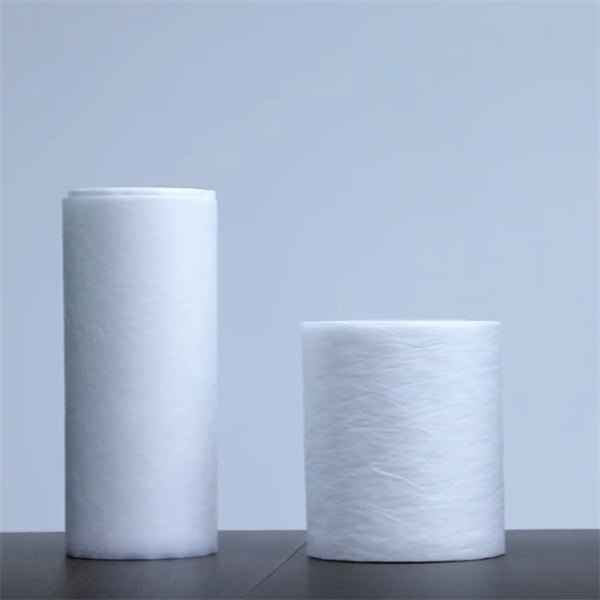
A clean room is a sort of special area that has very low levels of dust, bacteria and other; contaminants such as hair. That's critical where clean air is necessary for health and safety such as hospitals, factories or laboratories. With less floating-contaminants like dust in the air, a clean room offer protection to people and work.
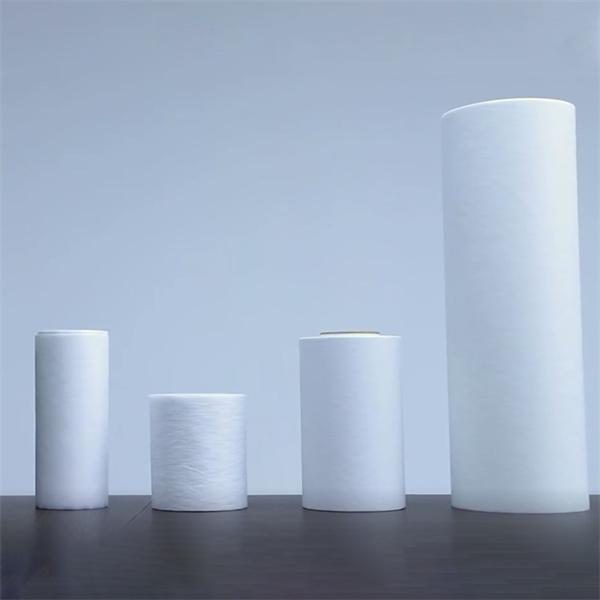
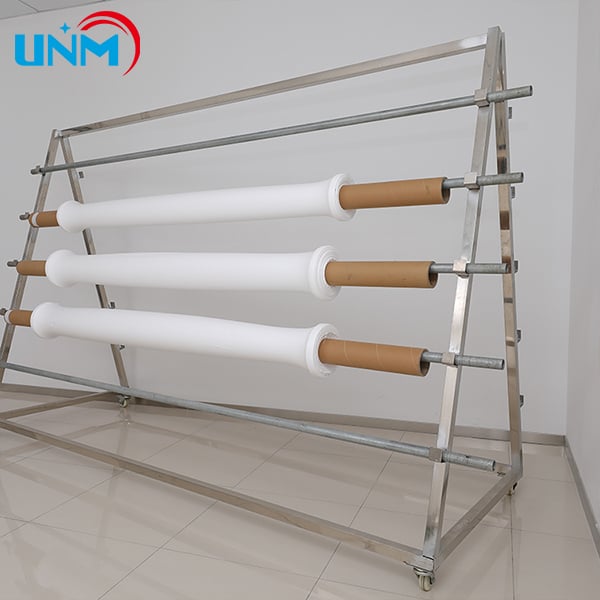
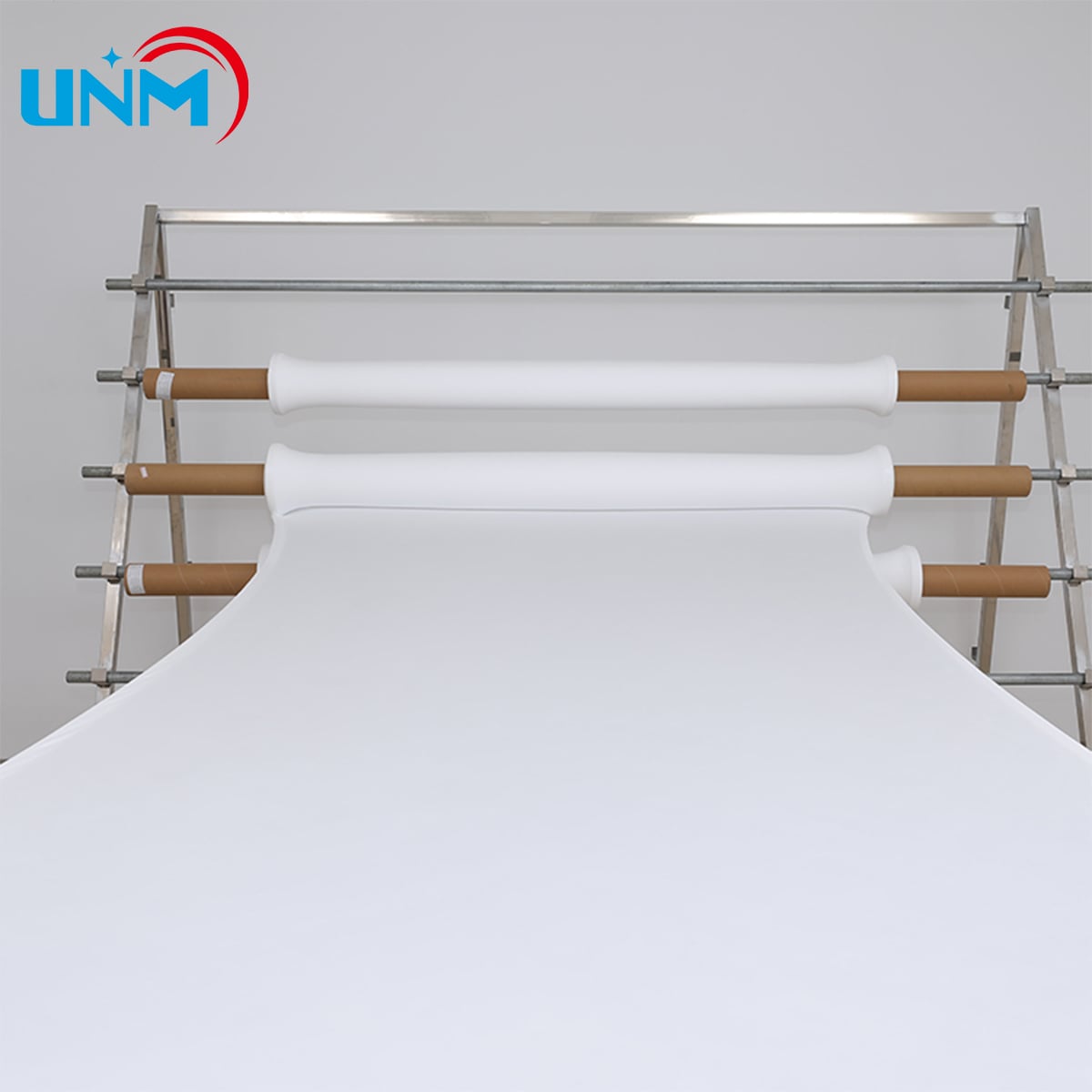
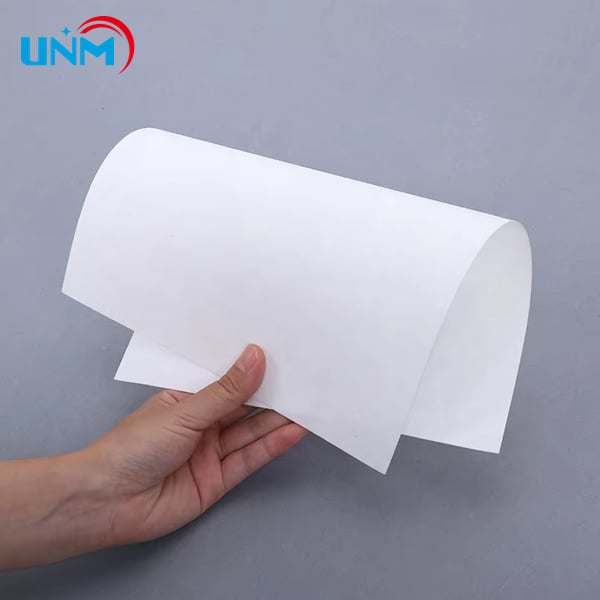
These consist of one or more layers (including fibers and screens). These layers all work together to trap particulates of different sizes. The tiniest particles are the most difficult to collect, which is why filter media used in crafts have been carefully tested for their ability to trap them and safeguard air purity.
The cleanliness of the air and make it safer for all in safe room with good air if we use great AUSWU therapeutic-grade filter material. The particles being trapped in the filter is what removes them from the air. This results in cleaner and healthier air for humans to breathe. It is particularly beneficial for environments where delicate work takes place, including medical and technology fields.
In a clean room, filter media can be most beneficial when acting as the middleman who catches particles that are very fine but also throws in large debris. Higher quality filter material can trap more particles. This minimizes the risk of dangerous particles entering a clean room atmosphere, which is essential for preserving the health and ability to perform tasks safely Implement control objectives at an enterprise level on each machine.
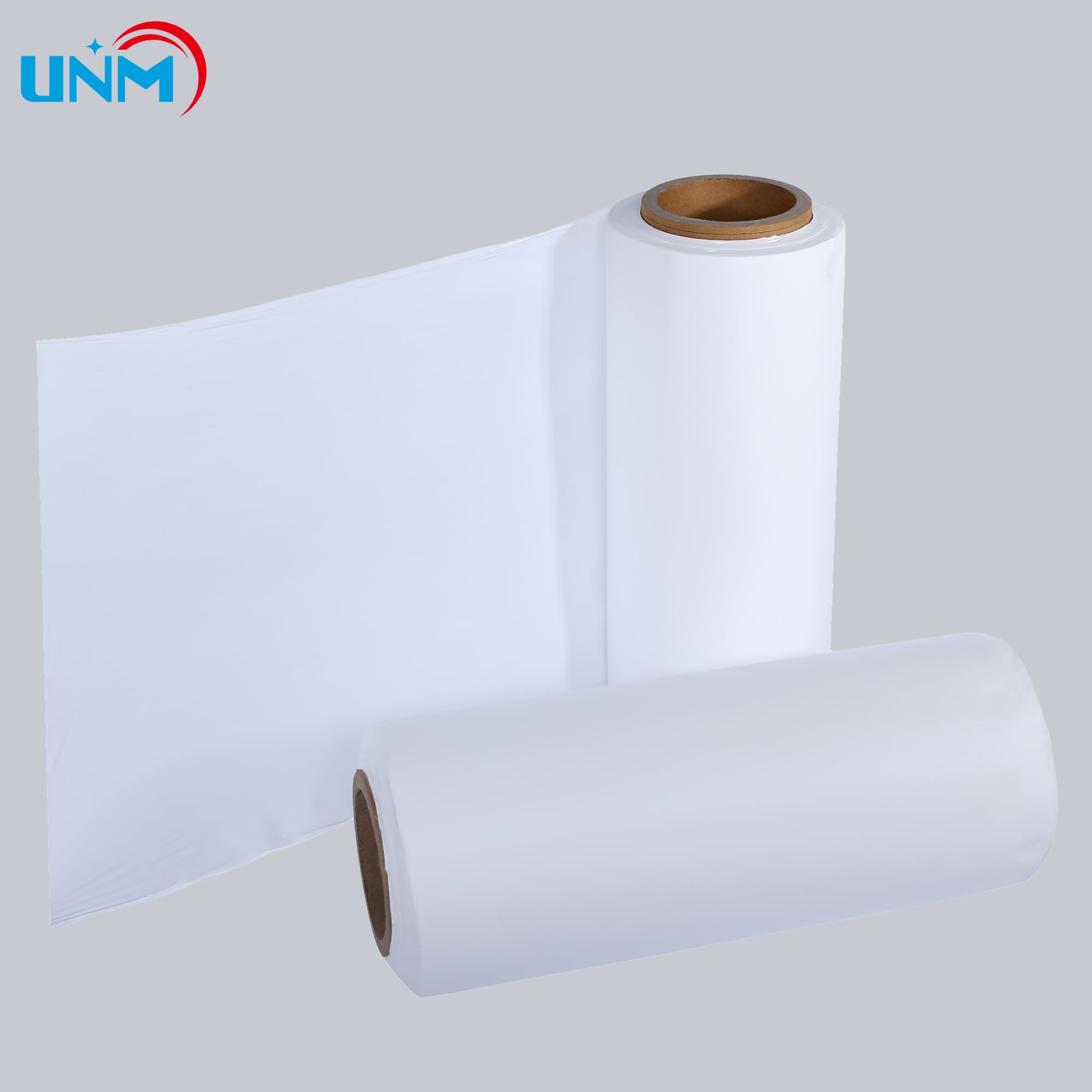
HEPA filters can filter particles as small as 0.3 microns, which is a significant advantage of HEPA dust collection systems over standard ones This is very significant since some particles are so small that they pass through other forms of filters. With HEPA filters, you can have peace of mind knowing that even the tiniest irritants are being captured and purified out of your living space. It significantly improves the air quality of the clean room as a whole.
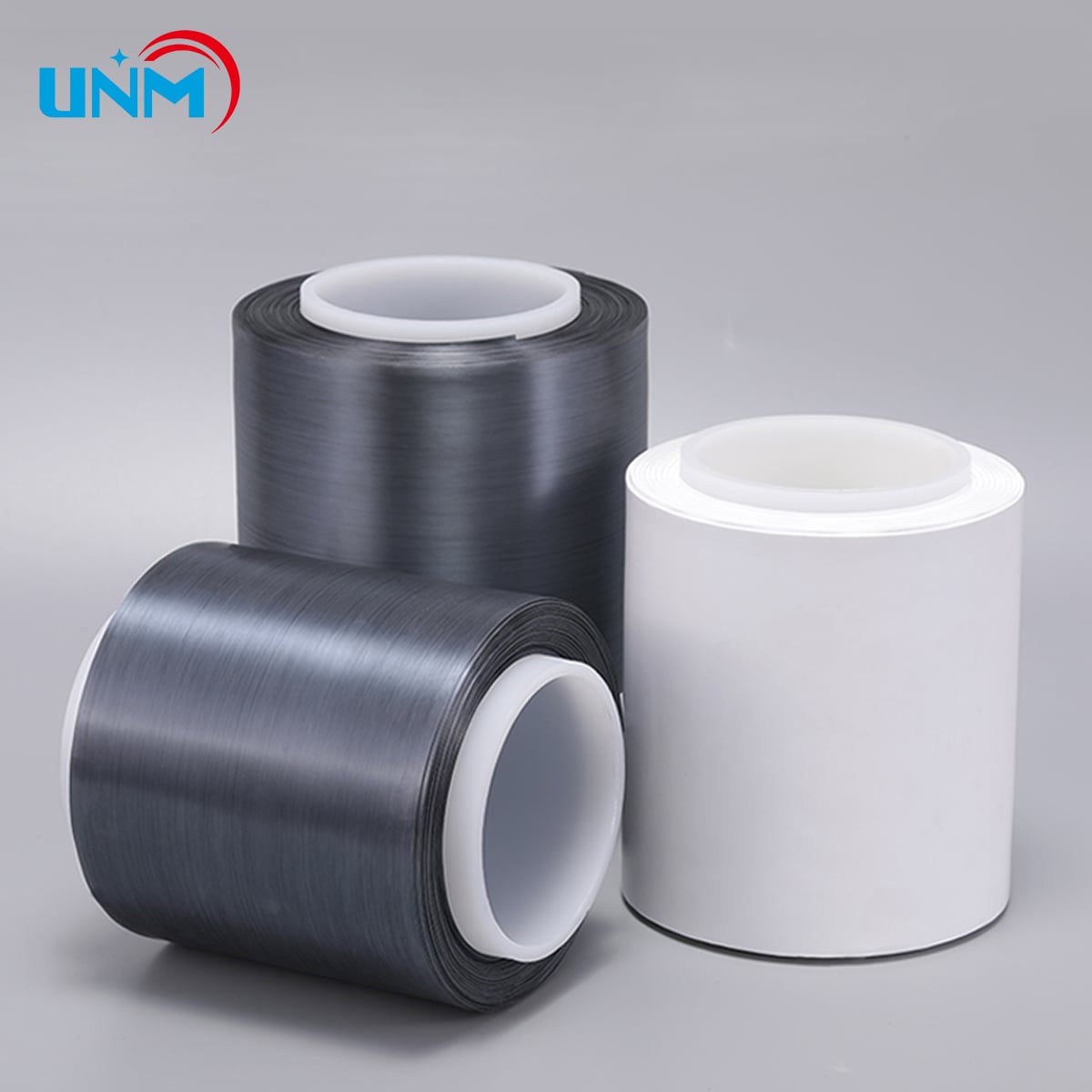
That is why, when selecting filter material for your clean room these are the key points you will need to keep in consideration: Step 1 - Determine How Clean You Want the Air to Be It is also important to consider what type of particles you wish the filter to remove, as different filters capture various types of contaminants. The airflow rate is another thing to consider.
Also the care taking of air purity is gaining relevance in not only many industrial sectors and new types of filter materials are now under construction to solve sine die, this pertinent issue. These new filter materials are composed of extremely fine fibers that can trap particles down to 0. Some employ unique coating technology that catch and defuse toxic particles in the air.
 EN
EN
 AR
AR
 BG
BG
 HR
HR
 CS
CS
 DA
DA
 NL
NL
 FI
FI
 FR
FR
 DE
DE
 EL
EL
 HI
HI
 IT
IT
 JA
JA
 KO
KO
 NO
NO
 PL
PL
 PT
PT
 RO
RO
 RU
RU
 ES
ES
 SV
SV
 TL
TL
 ID
ID
 LV
LV
 SR
SR
 SK
SK
 SL
SL
 UK
UK
 VI
VI
 SQ
SQ
 HU
HU
 TH
TH
 TR
TR
 AF
AF
 MS
MS
 GA
GA
 CY
CY
 BE
BE
 LA
LA