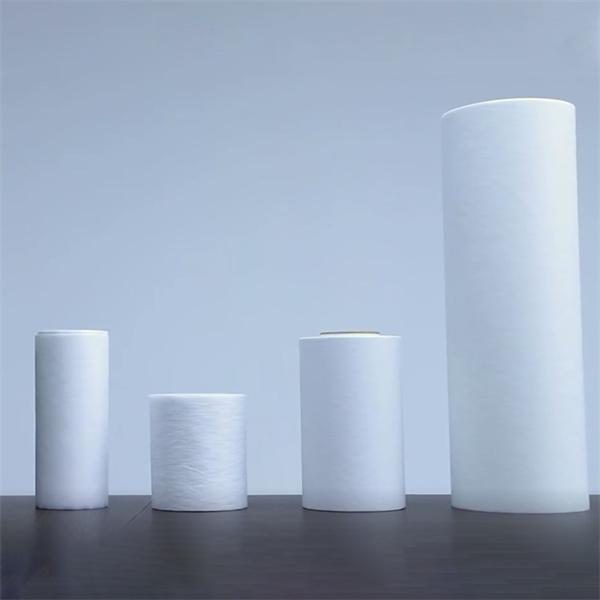
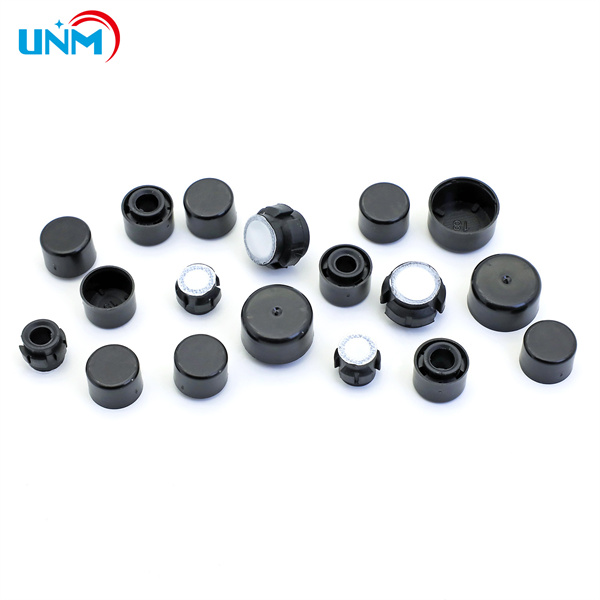
Are you aware of the different ways in which EPTFE has altered how we view cars driving down our roads? EPTFE are the initials for expanded polytetrafluoroethylene. This is a certain material which has innumerable tiny holes or pores. This allows air and water to pass through while stopping dirt, etc from getting inside. Such characteristics make EPTFE membranes an excellent material for the light casings on cars, adding features that enhance their functionality and safety.
Next time you see a pair of car headlights, take notice as there is typically an air vent located on the housing. This is where the EPTFE membrane lives. EPTFE membrane works as a barrier to let vapor pass through. It allows air and water to pass through (useful for the proper operation of the lights) but blocks dirt, dust or any other kind of debris. Or this, which also has two major auch questions. The headlight is kept clean and clear. If the headlight is clean, others on the road can see you more clearly. The second is that the membrane can prevent water from entering into the headlight. Water entering would of course potentially create damage, and generally foul further up the light/core making it less efficient.
One of the major advantages, EPTFE membranes for use in car lights is that they are strong and durable. EPTFE is also capable of withstanding extreme heat, chemicals and other harsh environmental conditions. This durability is one of the reasons why EPTFE membranes are so enduring, which makes for an excellent choice in cars lightening. They can be used in headlights, taillights, turn signals and fog lights. Besides strong, these membranes also serve better as help for the lights. They make the lights more intense as well and this serves to improve longevity of use which is a major concern for many drivers.
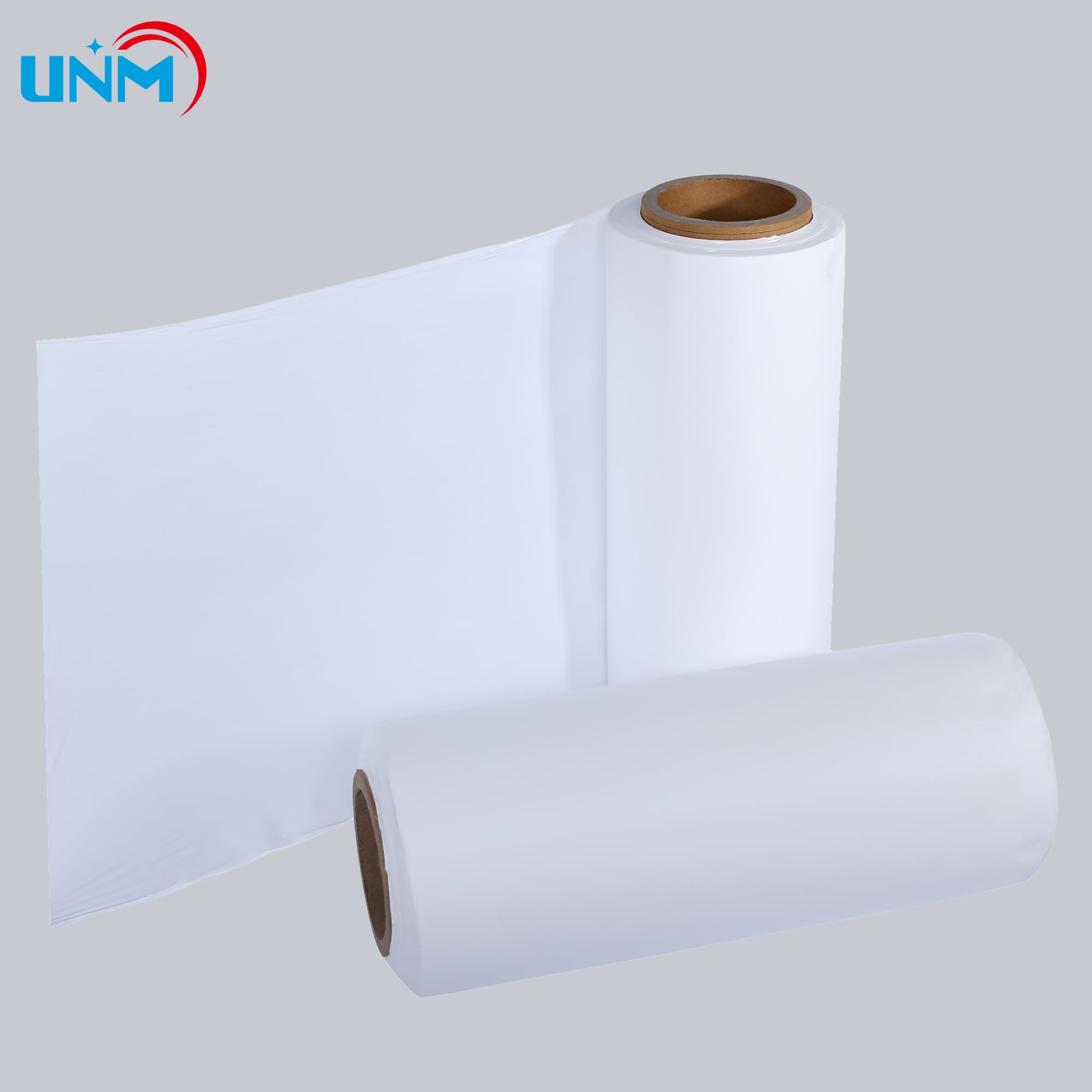
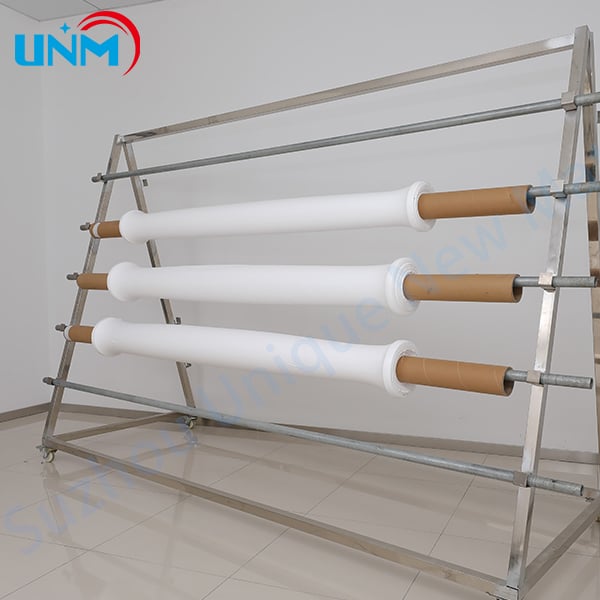
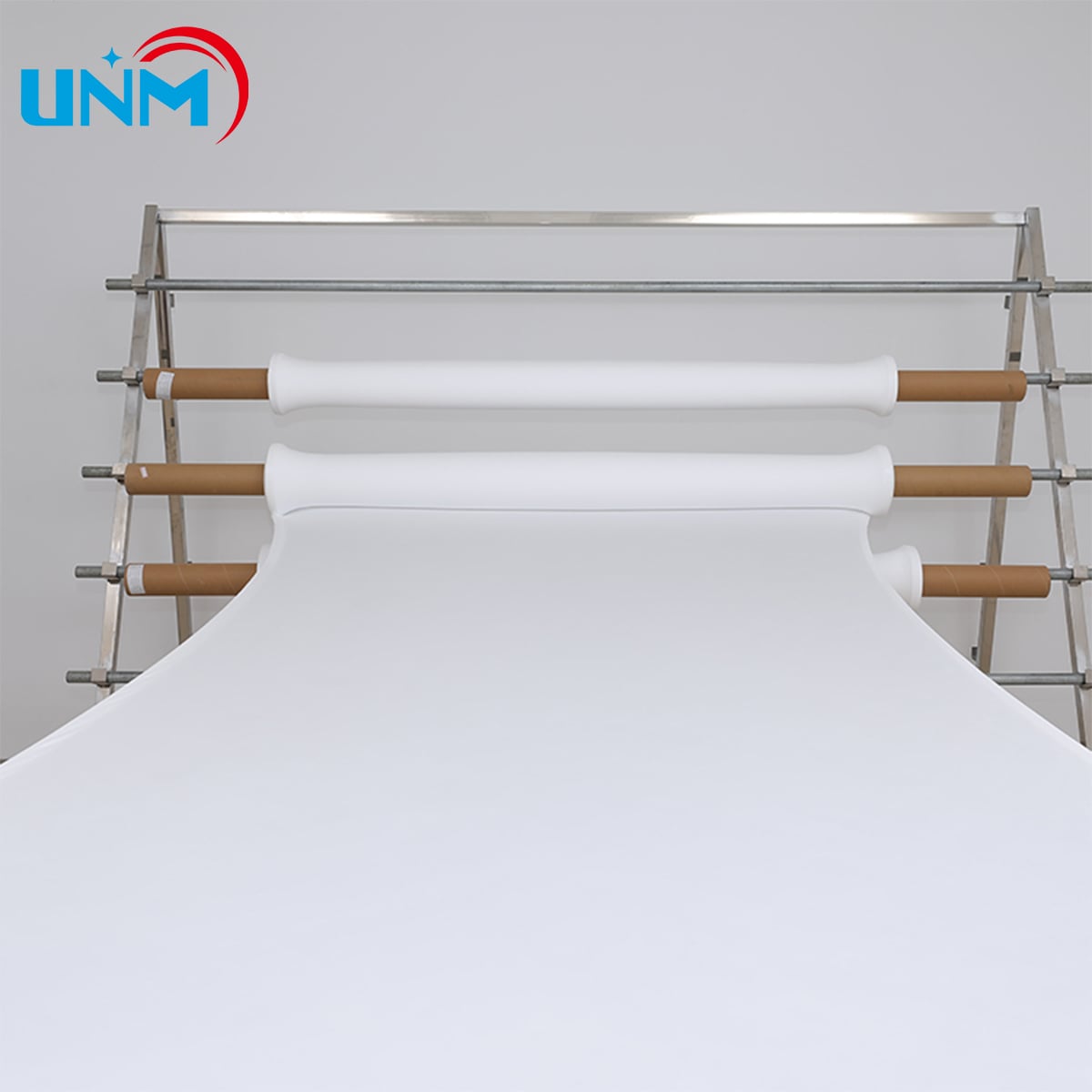
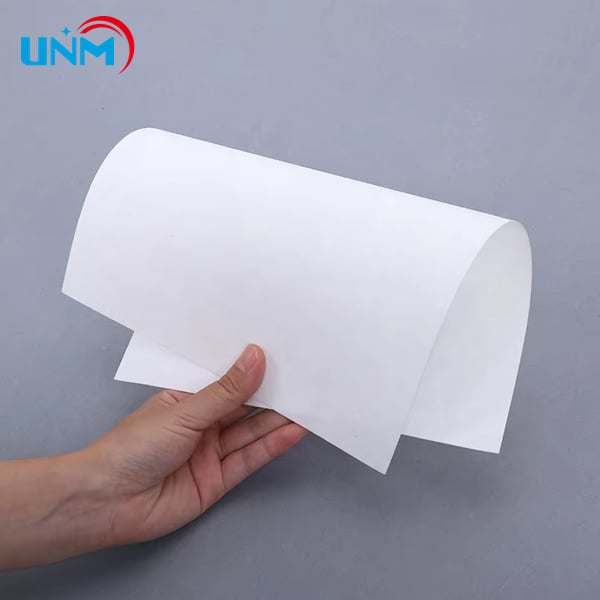
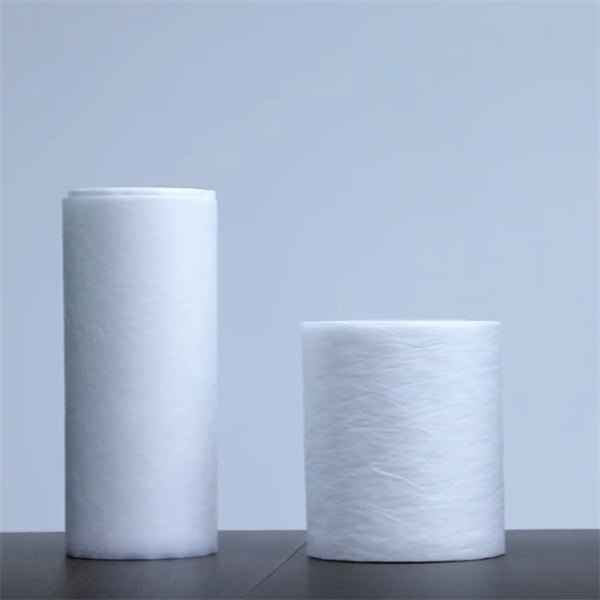
How is the EPTFE Membrane Made First of all, it is a PTFE sheet — stands for polytetrafluoroethylene. In this special way, a thin sheet is first stretched which has the holes only in very small quantities. These holes are super tiny and they allow air — in other words, water— to come through but it is so stannic that dirt or dust cannot enter. It gets used on top of a carrier like polyester or polyurethane in some cases once it is expanded as the PTFE sheet. This backing material is essential because by using it we can ensure that membrane will be tough, rough and ready for heavy-duty service where car applications are concerned.
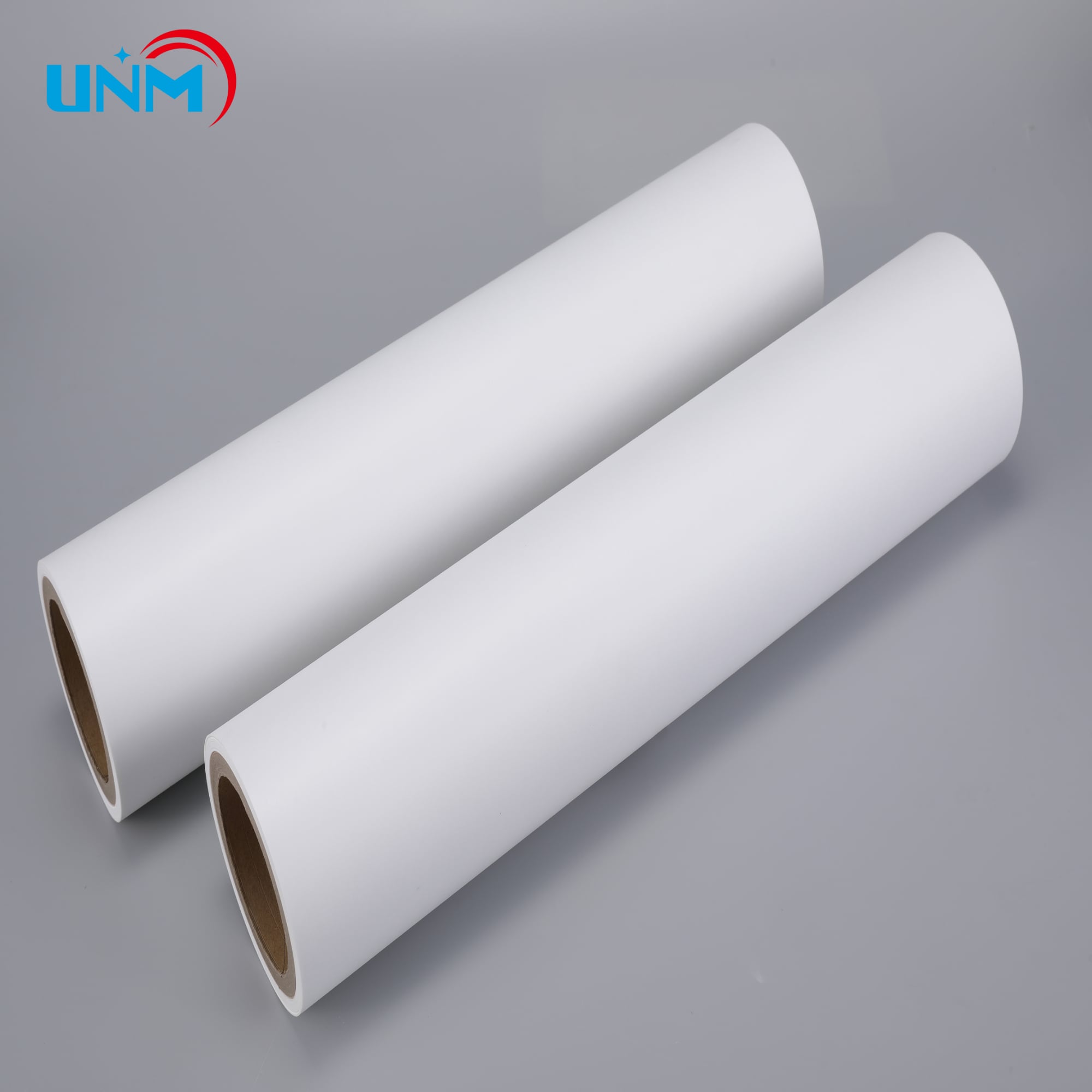
What does the future for EPTFE in cars hold? Auto companies are always trying to squeeze more performance out of their vehicles, but also looking for ways to be greener. The implication is that EPTFE membranes will be using in lighting upcoming vehicles extensively as well. For instance, in earlier days people were using different lights but nowadays LED Lights become very popular because they are helpful for saving energy than normal traditional light. They also produce a lot of heat, which is bad for the electronics inside both in this beam and our headlights. This can help alleviate some of this heat through the use EPTFE membranes, which in turn allows car manufacturers to enable their LED lights work better and last longer.
They are vital as well to keeping cars safer by using EPTFE membranes. By clearing dirt and debris off headlights and other lights, EPTFE technology helps drivers to drive better. If drivers can look well enough, they may respond to road situations faster ensuring fewer crashes and safer driving conditions for everyone.
 EN
EN
 AR
AR
 BG
BG
 HR
HR
 CS
CS
 DA
DA
 NL
NL
 FI
FI
 FR
FR
 DE
DE
 EL
EL
 HI
HI
 IT
IT
 JA
JA
 KO
KO
 NO
NO
 PL
PL
 PT
PT
 RO
RO
 RU
RU
 ES
ES
 SV
SV
 TL
TL
 ID
ID
 LV
LV
 SR
SR
 SK
SK
 SL
SL
 UK
UK
 VI
VI
 SQ
SQ
 HU
HU
 TH
TH
 TR
TR
 AF
AF
 MS
MS
 GA
GA
 CY
CY
 BE
BE
 LA
LA