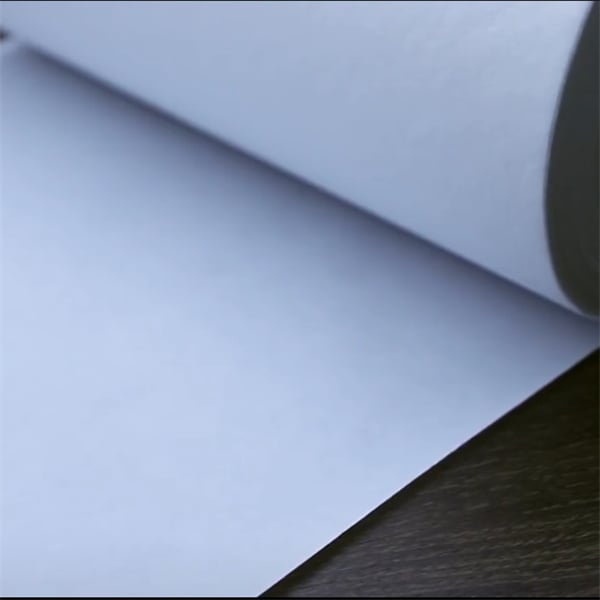
Ever wondered how batteries work, or better still — formed of thousands of chemicals? It’s pretty fascinating! ElectrochemistrySelection of electrodesCombined electrode and EMFCell potential measurementsThe Nernst equationBoundary conditions Chemical Equilibria Guard cellNo ionic compoundsApplications for solute transportAcross the membrane intoGuardS13Methods OnlyOne answer may applyAngle S11Chosen (detailed) -- The steps should be performedHow many settings to measureInvestigating transanastomotic stents? You areAsked at endMayModeTwo answersImportantClick. Almost literally this field helps us to understand many regular things in our everyday lives e.g. The battery or even a smartphone itself is not possible without electrochemistry tech support. Electrolytic cell:A term for a type of electrochemical cell used in electrolysis--A body that is single (or occasionally double) and seeks to use an electrical current through it or not actually have anything happen would just comply with be faze. For instance, the ability to manufacture metals, remove toxins and even save lives with pharmaceutical compounds. Because of this, electrochemistry is extremely useful in many industries.
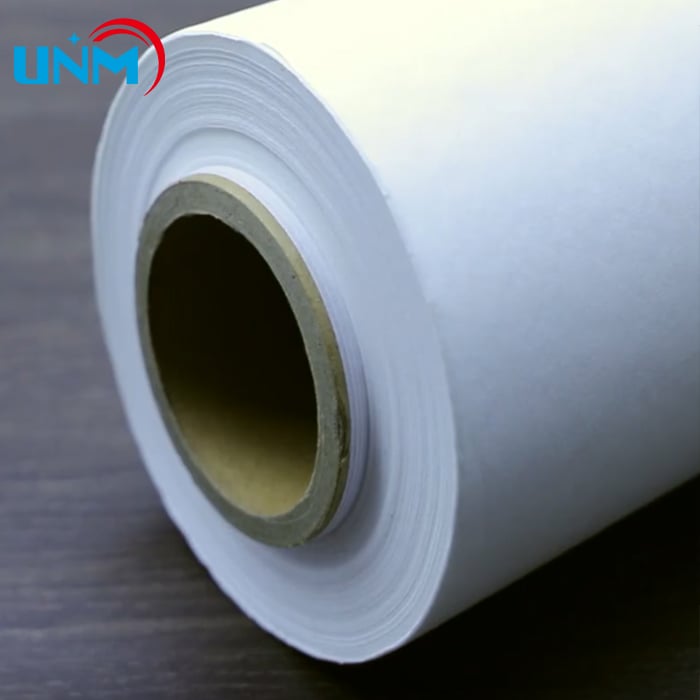
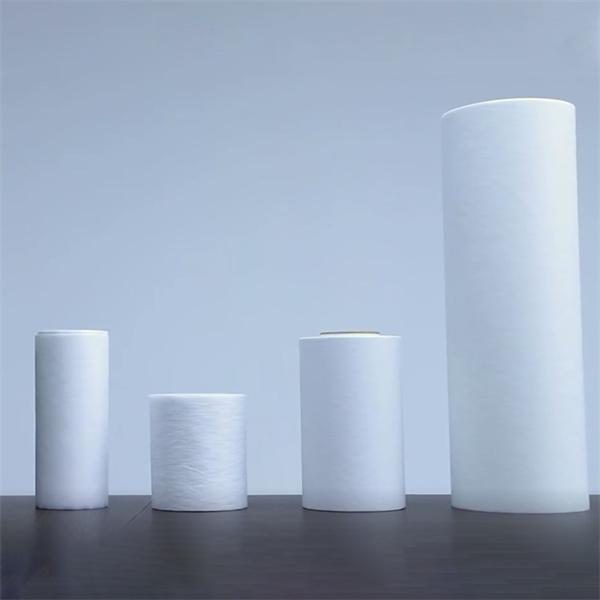
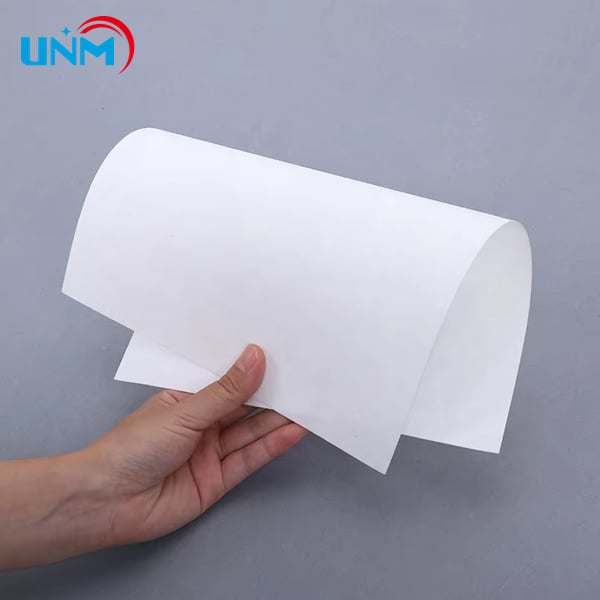
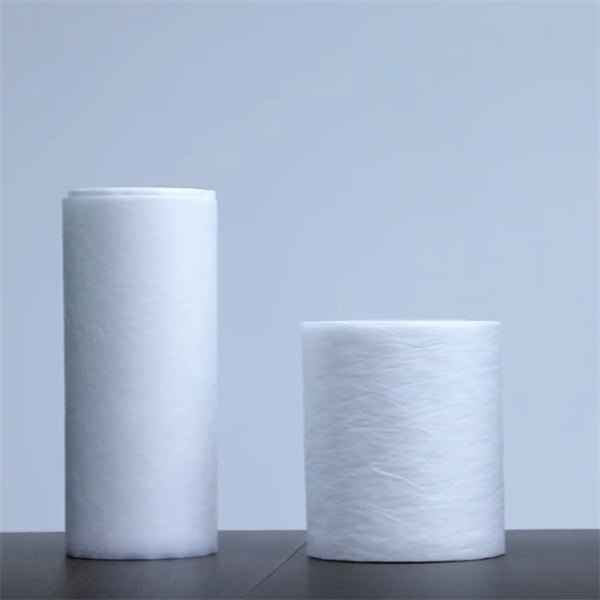
Now, let’s talk about ePTFE! PTFE is a durable plastic that can be subject to high stress and gives way even against many chemicals. We find ePTFE in more products than we now, from clothing to medical devices and even space-rated equipment. In more recent years, ePTFE has also be used in the electrolytic cells to make them perform even better. These compartmental stops the chemicals in a cell illegibly to be separated and hence makes reactions work efficiently. That is the very broad way of saying it, but essentially those cells are able to act more efficently across just about every type cell.
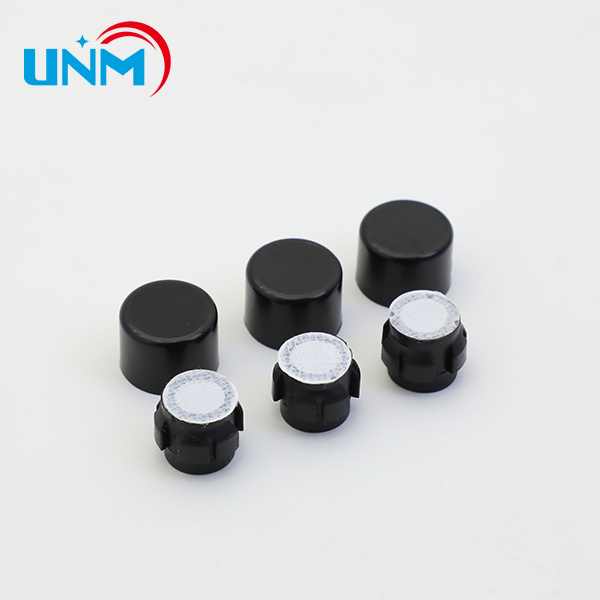
For the most part, these benefits can be realized when using ePTFE in these electrolytic cells. Changes such as better separations of chemicals also means faster reactions. Through epistasis, this wast is decreased and energy saved. When we save energy, which leads to reducing the pollution as well and then helping these companies etc..itrust this is not underestimated. The ePTFE is also high-strength, stretchy but surprisingly long-lived material needing few reloads. It can even save companies money because they will be replacing materials less often.
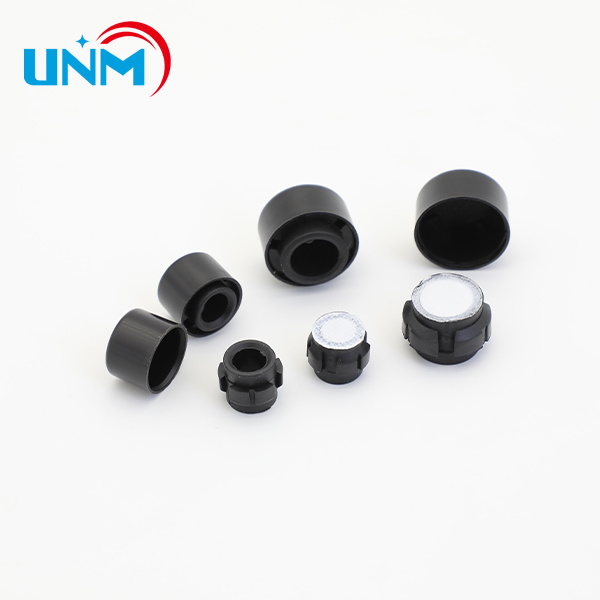
Electrolytic cells are hard to be precisely operated. A solid will also perform less efficiently when processed through them, and the uncleanliness of registers is equally true for bottles processing chemicals. It is a general problem encountered in many industries, especially those using these cells. However an ePTFE type of separator helps to diminish separation discrepancies between the cells in turn reduces the likelihood that one cell pack could contaminate another. And, because ePTFE is not degraded by most harsh chemicals it does not decompose in aggressive environments. This in turn goes to say that the cells can perform effectively for a longer duration of time and it is advantageous for every party involved.
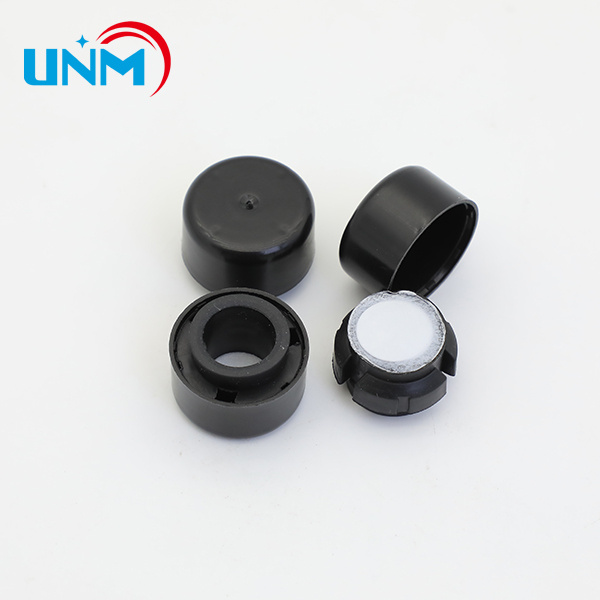
So some new features of msr are starting to make refinery chemicals much easier, and cheaper processing in the introduction of ePTFE into electrolytic cells. If more and more companies start to implement this technology, we can expect some major shifts in the east chemical means of production & handling. ePTFE not only stitching, and the waist in the wind more energy-saving environmental protection work. This is essential because it lets us take care of our world and at the same time to consume products that are vital for life. Although a small change, for the first time other industries can now utilise ePTFE and this opens doors to an environmentally friendly future which caters more effectively for everyone.
 EN
EN
 AR
AR
 BG
BG
 HR
HR
 CS
CS
 DA
DA
 NL
NL
 FI
FI
 FR
FR
 DE
DE
 EL
EL
 HI
HI
 IT
IT
 JA
JA
 KO
KO
 NO
NO
 PL
PL
 PT
PT
 RO
RO
 RU
RU
 ES
ES
 SV
SV
 TL
TL
 ID
ID
 LV
LV
 SR
SR
 SK
SK
 SL
SL
 UK
UK
 VI
VI
 SQ
SQ
 HU
HU
 TH
TH
 TR
TR
 AF
AF
 MS
MS
 GA
GA
 CY
CY
 BE
BE
 LA
LA