 EN
 AR
 BG
 HR
 CS
 DA
 NL
 FI
 FR
 DE
 EL
 HI
 IT
 JA
 KO
 NO
 PL
 PT
 RO
 RU
 ES
 SV
 TL
 ID
 LV
 SR
 SK
 SL
 UK
 VI
 SQ
 HU
 TH
 TR
 AF
 MS
 GA
 CY
 BE
 LA

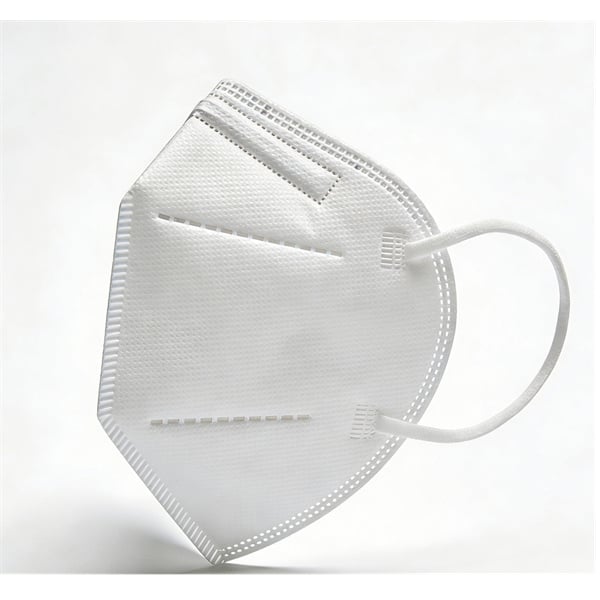
In real-world use, medical protective masks do not only face dry particles. Droplet splashes, exhaled moisture and condensation from prolonged wear can all place the filter layer in a damp environment. Once meltblown fabric absorbs moisture, its electrostatic charge may decay faster and filtration efficiency may drop. For medical scenarios, the hydrophobic stability of the filter layer is as important as filtration efficiency—or even more fundamental.
The intrinsic properties of UNM ePTFE microporous filter media directly address this need. PTFE has an extremely low surface energy and hydrophobic/oleophobic properties, so droplets and body fluids do not easily wet the membrane pores, helping the filter layer stay dry for extended periods. The ePTFE membrane forms a microporous structure through biaxial stretching, and filtration is achieved mainly by physical interception rather than electrostatic charge. Its efficiency is therefore less affected by humidity. In laboratory testing under specified conditions, filtration efficiency for particles in the 0.1–0.2 μm range can reach up to 99.9995%; actual performance may vary depending on test methods and application conditions.
For use as the filter layer in medical masks and protective masks, UNM ePTFE filter media also offers the following features: porosity of approximately 85% or higher as measured by standard test methods, good air permeability, and low breathing resistance while maintaining filtration efficiency; stable chemical properties, resistance to acids, alkalis and organic solvents, and good aging resistance, making it suitable for combination with nonwoven fabric and meltblown fabric; and customizable membrane materials with different grammages, widths and air permeability levels according to mask structure requirements. After thermal lamination with nonwoven fabric, the composite is designed to resist delamination under normal processing conditions and is easy to cut and weld.
For mask manufacturers, differentiation in medical protective products increasingly depends on the actual performance of the filter layer. UNM provides customized support from membrane material to composite lamination, making it a filter material worth considering when developing high-end medical protective masks.