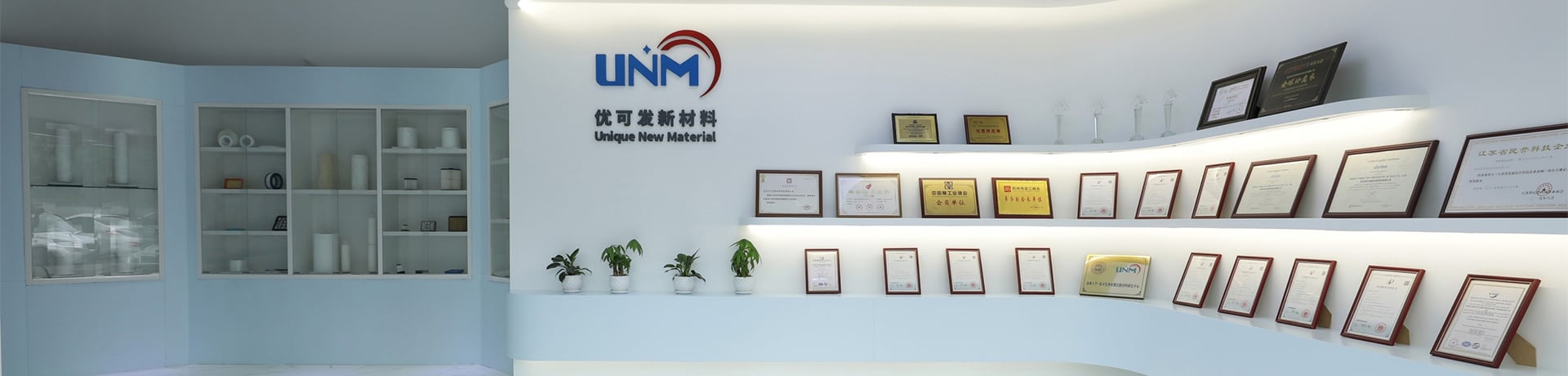
When people talk about ePTFE membranes, the discussion often focuses on industry trends and market size. But beyond the data, where does this thin functional membrane actually make a difference?
ePTFE membrane, or expanded polytetrafluoroethylene membrane, has a micron-level porous three-dimensional network structure. It inherits ePTFE’s advantages such as high/low temperature resistance, corrosion resistance, chemical stability, electrical insulation, and biocompatibility, while also providing waterproof, dustproof, breathable, and sound-permeable properties. With its unique performance, ePTFE microporous membranes have entered fields such as biopharmaceuticals, medical devices, food and beverages, semiconductor manufacturing, and communications, providing reliable solutions for various precision processes.
01 Biopharmaceuticals
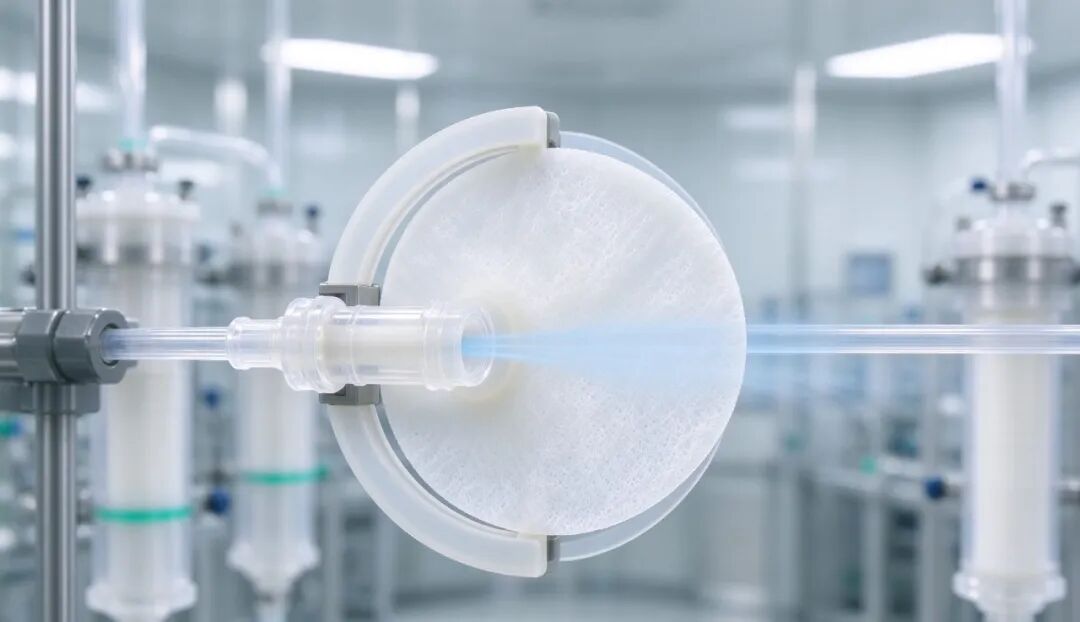
Biopharmaceuticals place high demands on filtration materials: they must resist chemical corrosion, withstand high temperatures, and ensure filtration accuracy and stability.
ePTFE microporous membranes can be used in fermentation air sterilization, solvent filtration, sterile ventilation, and other processes. Their microporous structure helps intercept impurities and microorganisms, providing a more reliable filtration barrier for drug production. For processes requiring fine filtration and sterilization, the pore-forming capability from 0.1 μm to 1 μm offers more flexible options.
02 Medical Devices
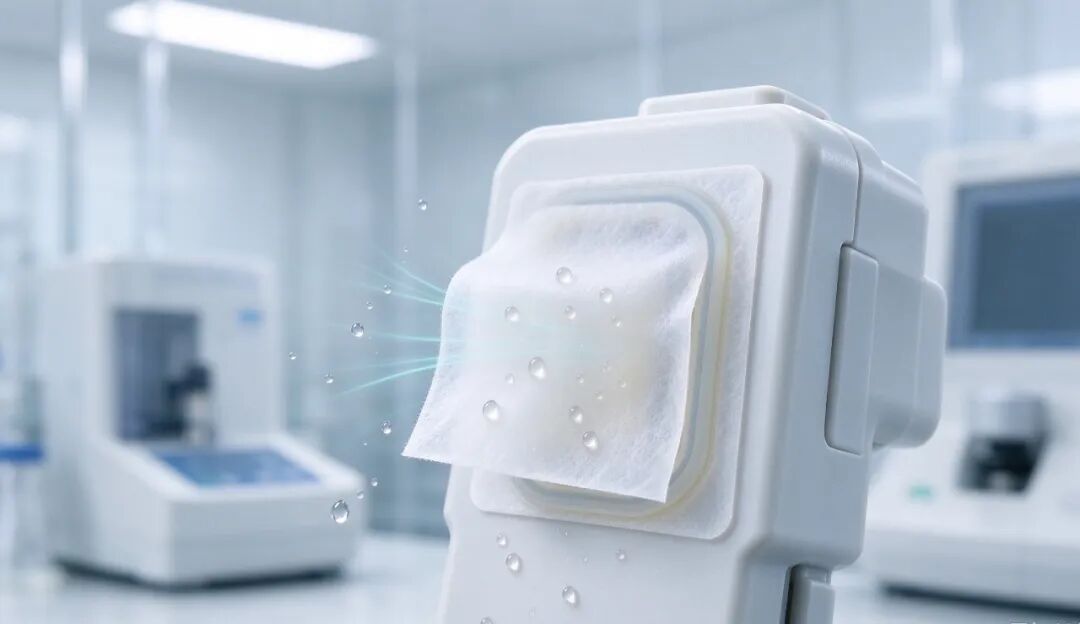
Medical devices such as ventilators, infusion sets, in vitro diagnostic equipment, and sensors often face challenges from liquids, dust, and pressure changes.
ePTFE microporous membranes can block liquids and contaminants while allowing gas to pass through, achieving pressure balance and waterproof breathability. It is not just a “membrane,” but also a protective layer for the stable operation of medical devices.
03 Food and Beverage
In the production of beer, beverages, drinking water, etc., filtration membranes directly affect product taste and shelf life.
ePTFE microporous membranes are corrosion-resistant and chemically stable, and can be used in liquid fine filtration, sterile air filtration, gas filtration, and other processes, helping reduce microbial risks and safeguarding the safety and quality of food and beverages.
04 Semiconductor Manufacturing
Semiconductor manufacturing has extremely strict cleanliness requirements. Even a tiny particle contamination can affect product yield.
ePTFE microporous membranes can be used in filtration scenarios such as high-purity chemicals, ultrapure water, and process gases. With chemical corrosion resistance and fine filtration capability, they can remain stable in harsh media environments, providing cleanliness assurance for semiconductor manufacturing.
05 Communications and Consumer Electronics
Mobile phones, earphones, smart wearables, walkie-talkies, and outdoor communication equipment are vulnerable to water and dust, yet need clear sound transmission.
ePTFE microporous membranes can be made into waterproof sound-permeable membranes, blocking water and dust while allowing sound to pass smoothly and balancing the pressure inside and outside the device. From a single micropore to the reliability of the entire device, it plays a role.
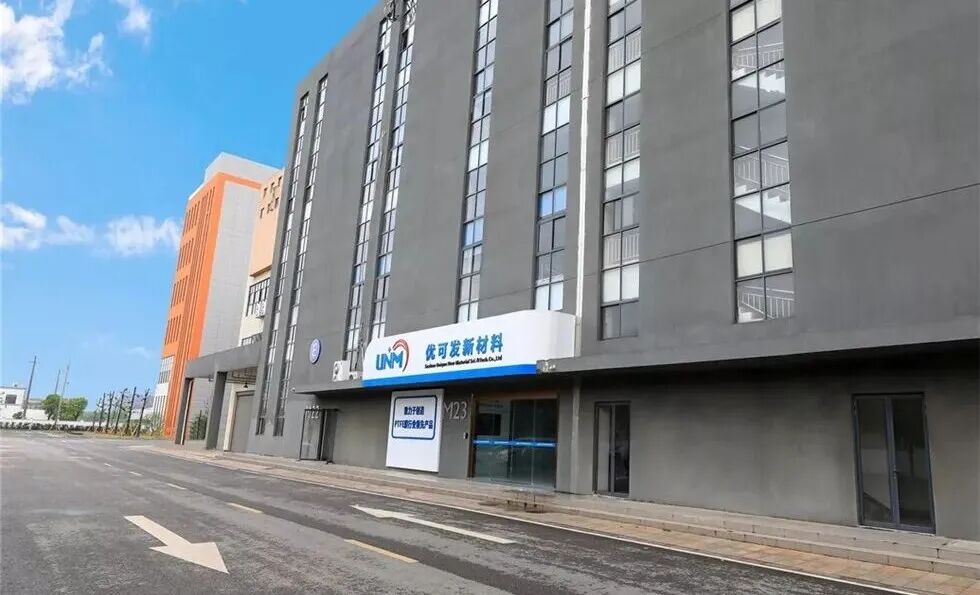
SUZHOU UNIQUE NEW MATERIAL SCI.&TECH. CO., LTD.
ePTFE microporous filtration membrane products are used in cutting-edge fields such as biopharmaceuticals, medical devices, food and beverages, semiconductor manufacturing, and communications. The pore-forming capability ranges from 0.1 μm to 7 μm, providing functional solutions for fine filtration, bacteria and virus removal, waterproof breathability, and sound permeability. Although the material is thin, its application scenarios are broad.
Future
UNM will continue to deepen its work in the field of ePTFE microporous membranes and, together with more industry partners, use microporous membranes correctly and well!

 EN
EN
 AR
AR
 BG
BG
 HR
HR
 CS
CS
 DA
DA
 NL
NL
 FI
FI
 FR
FR
 DE
DE
 EL
EL
 HI
HI
 IT
IT
 JA
JA
 KO
KO
 NO
NO
 PL
PL
 PT
PT
 RO
RO
 RU
RU
 ES
ES
 SV
SV
 TL
TL
 ID
ID
 LV
LV
 SR
SR
 SK
SK
 SL
SL
 UK
UK
 VI
VI
 SQ
SQ
 HU
HU
 TH
TH
 TR
TR
 AF
AF
 MS
MS
 GA
GA
 CY
CY
 BE
BE
 LA
LA