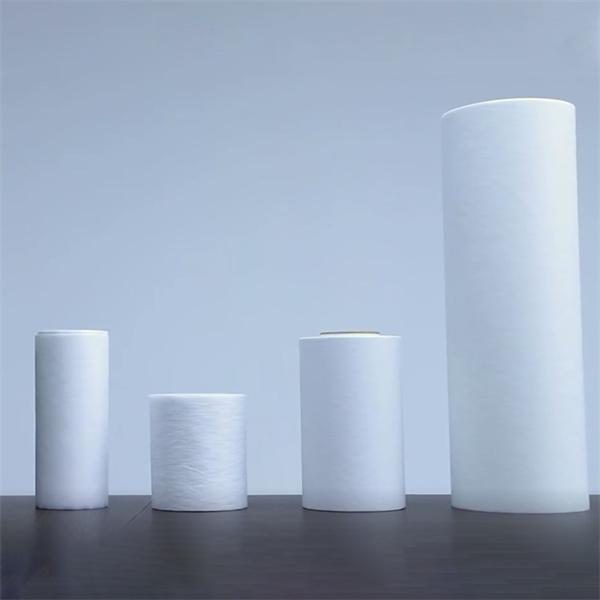
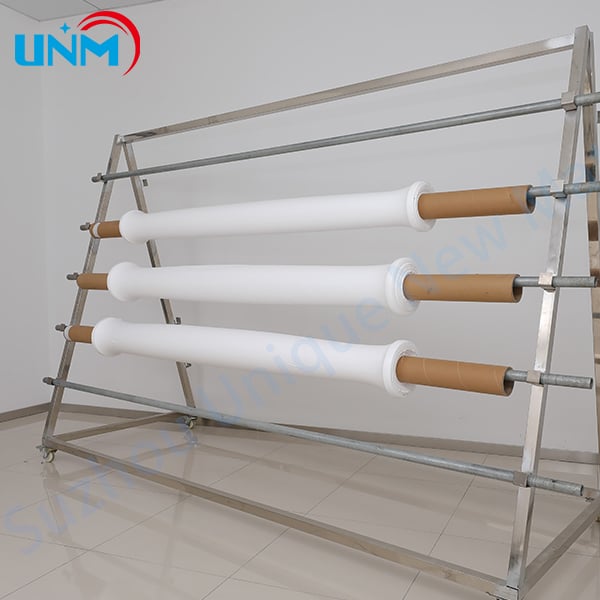
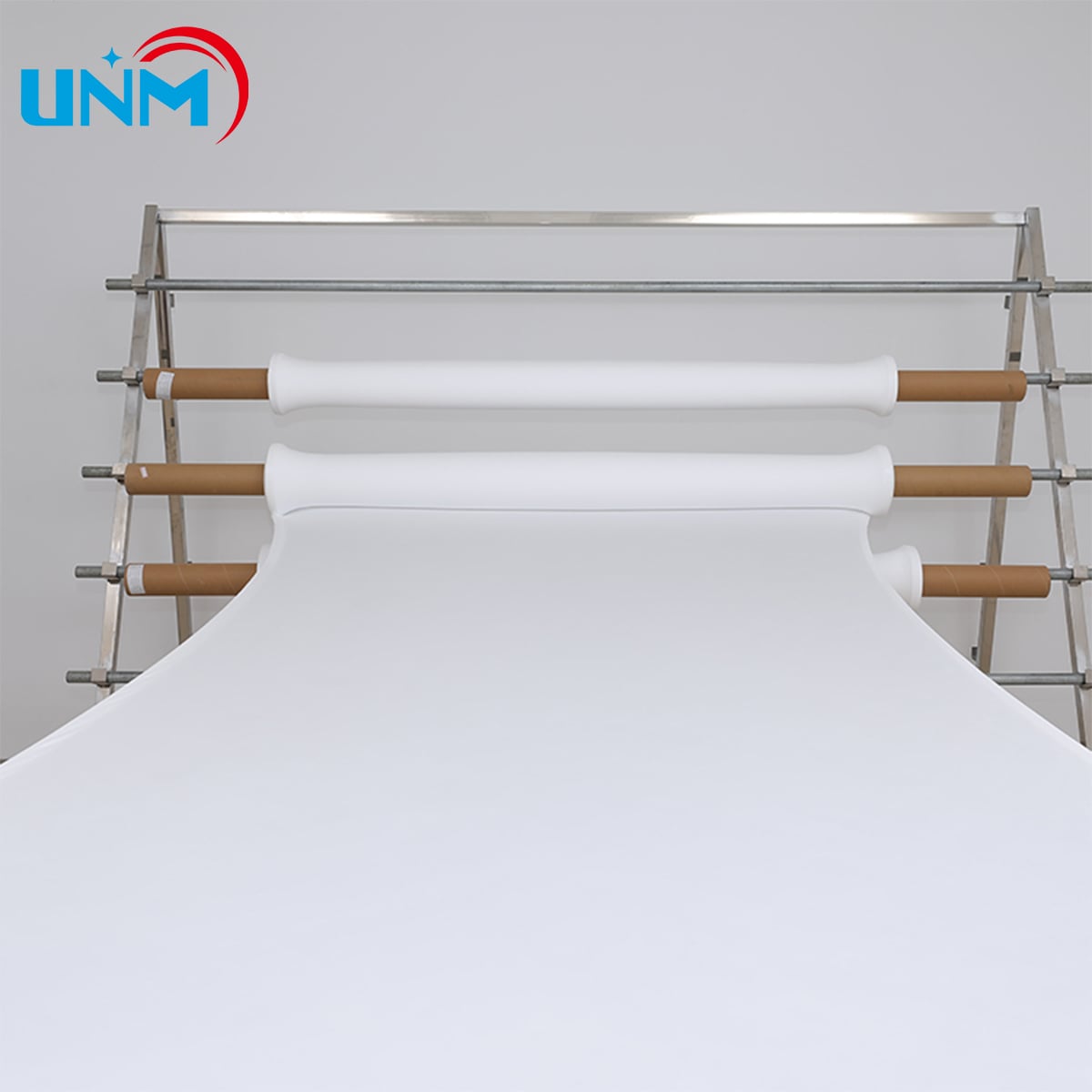
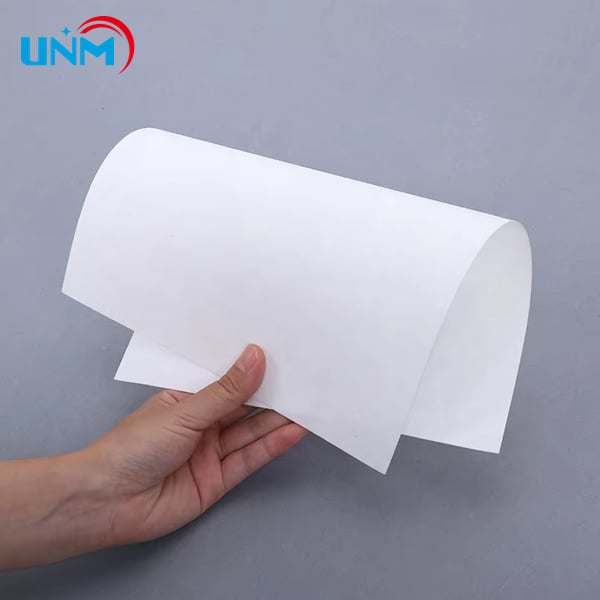
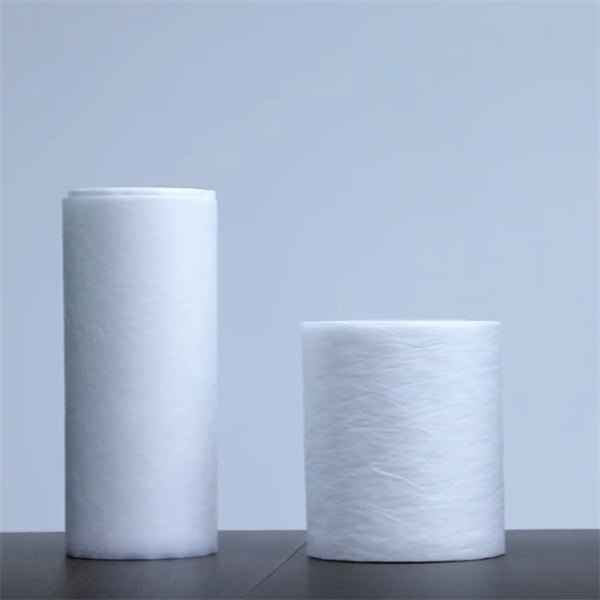
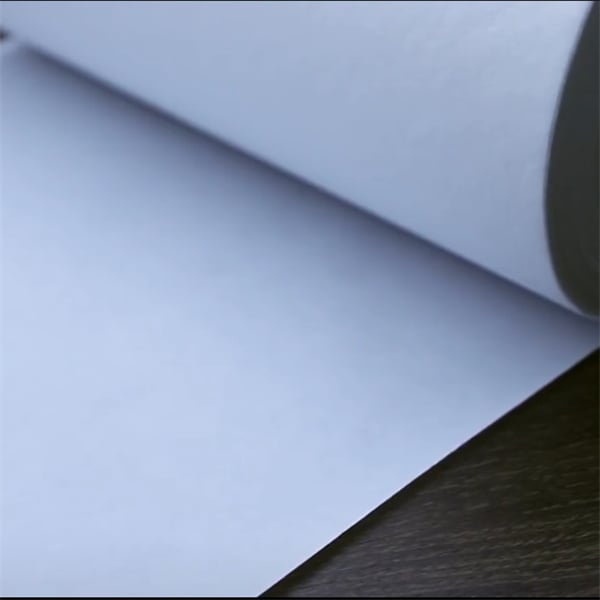
Within the field of filtration and separation, there is one material that holds a shining example for supreme capabilities; PTFE: Polytetrafluoroethylene. This thing has been the main catalyst of technological ideas for many decades. It is the low friction, chemical resistance and temperature capacity of PTFE which make it particularly noteworthy. These characteristics make PTFE an advantageous option for filtration and separation, such in the form of membranes or films.
There are many benefits to utilising PTFE in Filtration and Separations. The first thing to note is that PTFE offers incredible chemical resistance, which makes it a top choice in anything meant for filtering chemicals or pharmaceuticals. The second, the fact that it was non-stick (it is a ceramic coating) means any dirt going into my engine would have an even tougher time sticking onto bits of the filter - boosting overall filtration performance and life. Finally, PTFE filters can perform at extremely high temperatures up to 260°C without a mechanical failure. Finally, these filters show low solubility and water adsorption as well; they provide an excellent UV protection endorsement which in the long run makes them ideal for outdoor implementation.
PTFE Technology is Redefining the Industrial Filtration Landscape Many manufacturing processes generate liquid or gaseous from specific sources, which are to be filtered before released for the disposal purpose/reuse. The PTFE filtration and separation technology offers a better efficiency to this process,.notes. Take the PTFE membrane filters, for instance, because of its low porosity can capture particulate (and microorganisms). Further, PTFE film exhibits high air flow rates that contribute to filtration efficacy. Add the chemical resistant of PTFE to that and you have a valuable process chemistry in industrial filtration.
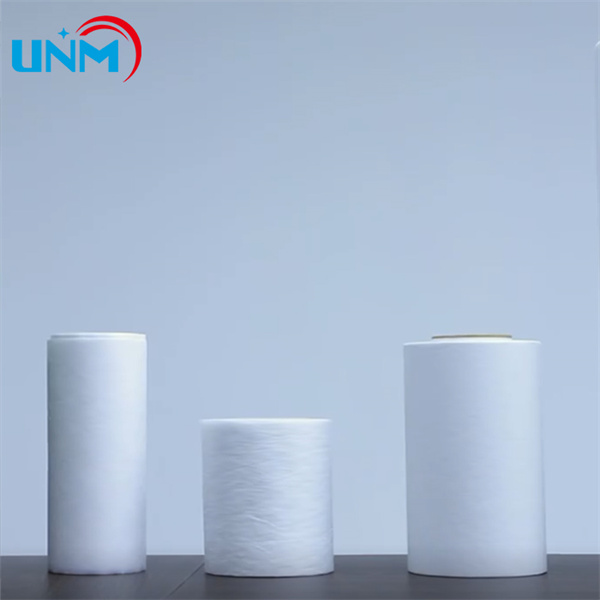
There are new advances in PTFE technology even still, with changes in film thickness, pore size and surface modifications being made quite regularly. It is significant that the use of electrospinning technology to produce ultra-thin PTFE membranes. Filter membranes with size from 10 nm up to % µm in thickness filter particles as small at 2 nm. Another one is the surface modification of PTFE membranes to improve its performance. Plasma treatment, for example, can add hydrophilicity orhydrophobicity to the PTFE surface so that it is well suited for particular uses.

Top Reasons Why PTFE Filtration & Separation Are Changing Our Industries: For one, PTFE is a particularly excellent material for filtering small particles and microorganisms making it suitable in many food & beverage applications. PTFE filtration is also critical in the clarification of beer, wine and dairy products, among other applications. Also, the chemical resistance and non-stick attributes of PTFE lend itself well to applications within hexnaustrolia as its key for quality systems within these industries this fall into filtration properties (chemical & pharmaceuticals). Finally, the filtration and separation technology of PTFE also plays an indispensable role in environmental remediation by filtering pollutants from wastewater or contaminated soil.
To sum up, PTFE filtration and separation film changes the landscape of FILTRATION & SEPARTION. With chemical resistivity, low friction and heat resistance enables its use in unique applications. Technological advancements in the PTFE field have also resulted in ultra-thin membranes and new surface modifications, which ultimately increase product capabilities and performance. The introduction of PTFE filter and separation technology is transforming industrial filtration, opening up avenues for state-of-the-art solutions in food & beverage industry, chemical & pharmaceutical industries to environmental remediation projects. It is clear, however, that PTFE technology will continue to be a leading medium in filtration and (hopefully) the liquid separation industry for years to come.
 EN
EN
 AR
AR
 BG
BG
 HR
HR
 CS
CS
 DA
DA
 NL
NL
 FI
FI
 FR
FR
 DE
DE
 EL
EL
 HI
HI
 IT
IT
 JA
JA
 KO
KO
 NO
NO
 PL
PL
 PT
PT
 RO
RO
 RU
RU
 ES
ES
 SV
SV
 TL
TL
 ID
ID
 LV
LV
 SR
SR
 SK
SK
 SL
SL
 UK
UK
 VI
VI
 SQ
SQ
 HU
HU
 TH
TH
 TR
TR
 AF
AF
 MS
MS
 GA
GA
 CY
CY
 BE
BE
 LA
LA