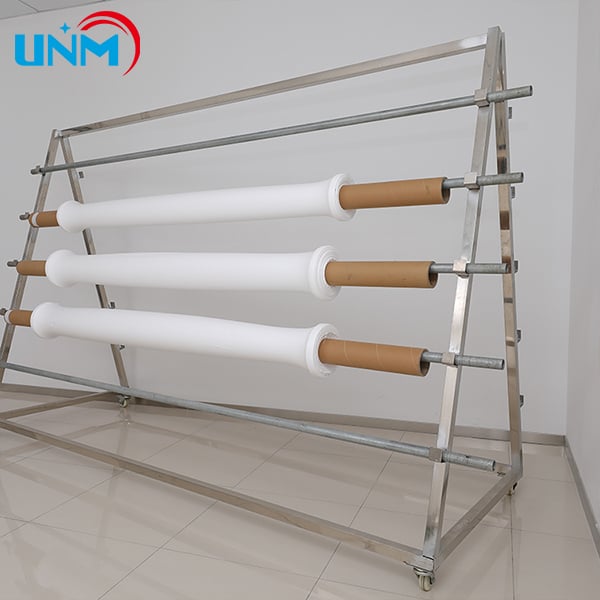
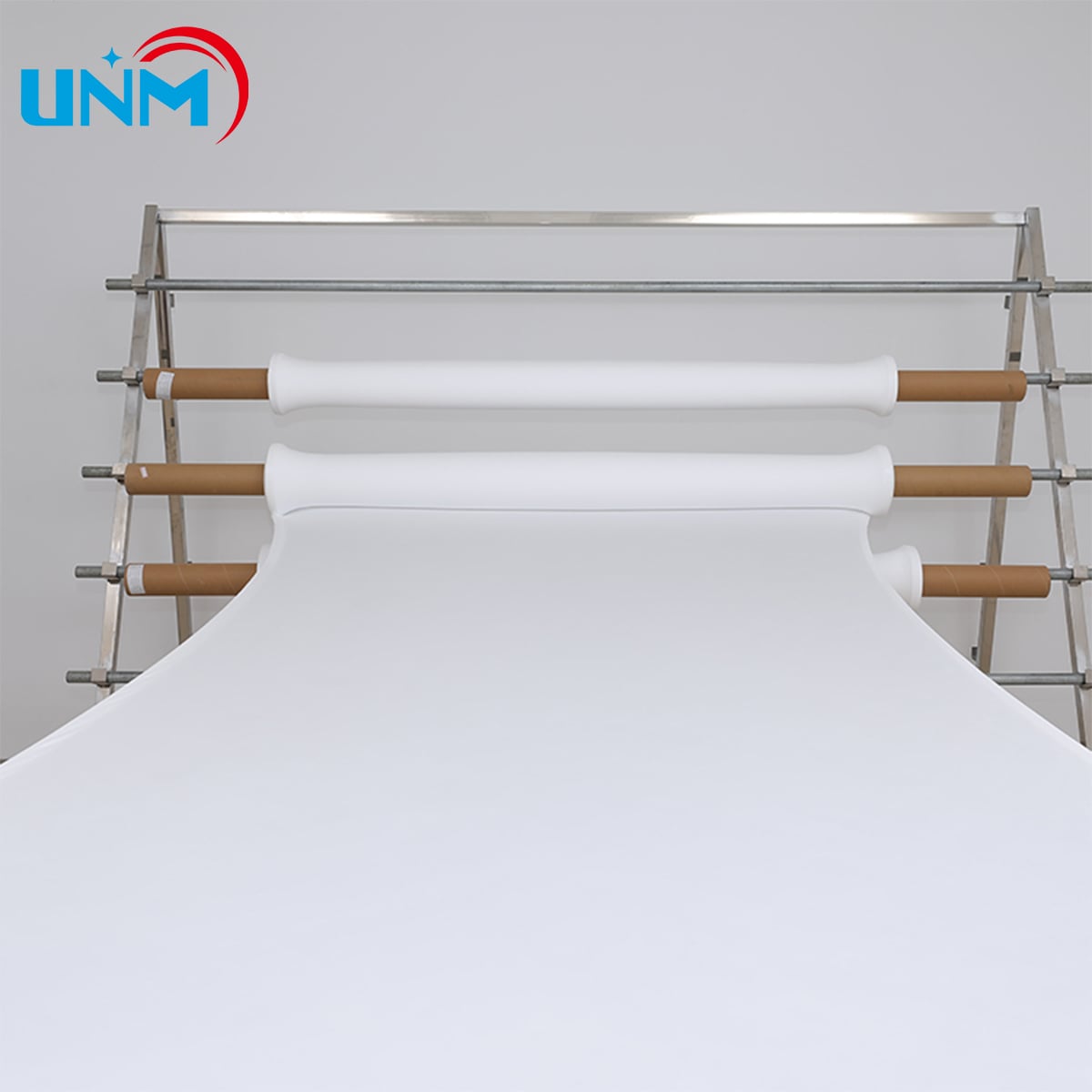
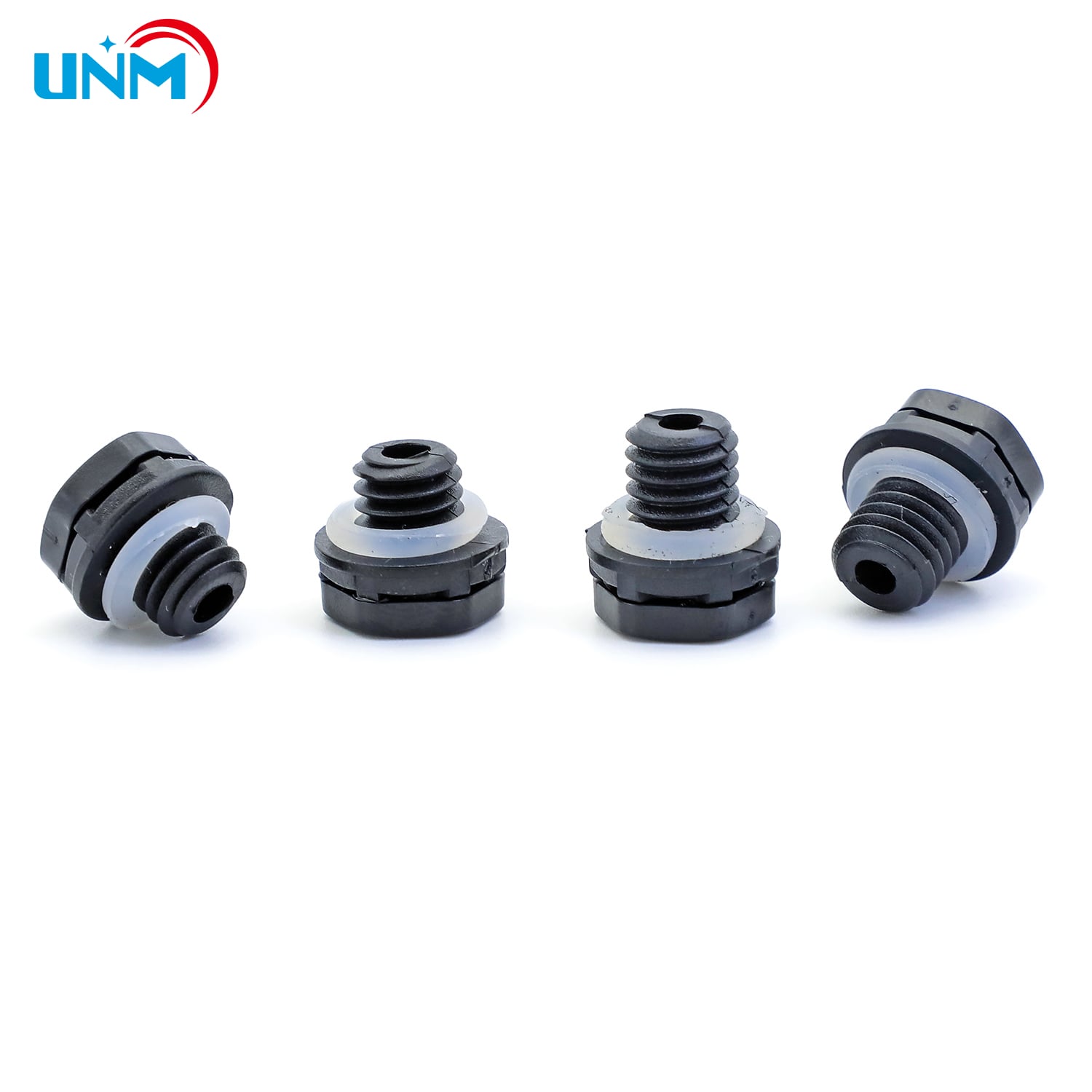
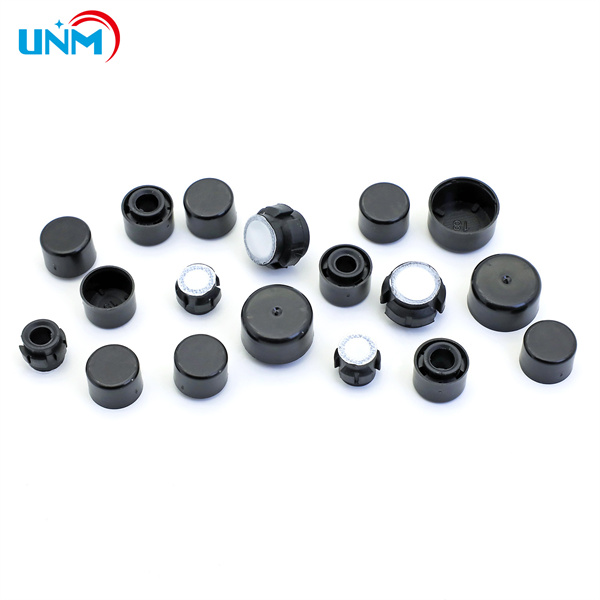
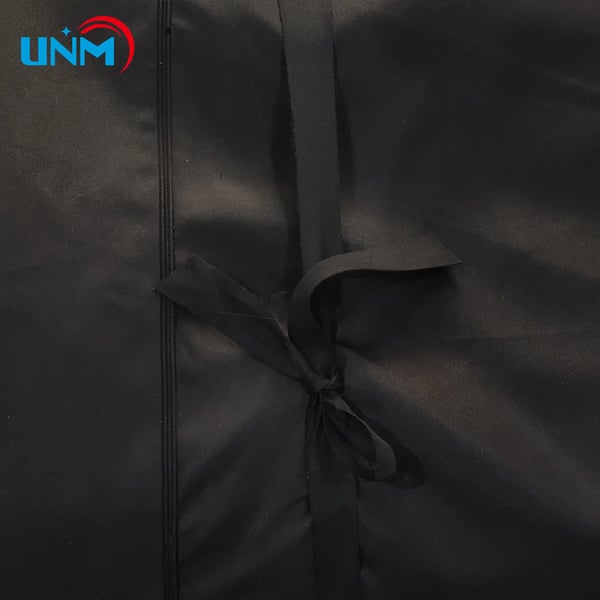
Air PTFE membrane has gained a lot of attention in building design as an innovative material over the past few years, which Architect and developer team uses. It is not like traditional building materials, they are special which makes the favorite of many industries. In this article, we would go into the advantages of using an air PTFE membrane in architectural design and how it is changing the way construction industry works plus highlight some technological inputs for making process involved, its sustainability aspect features as environmentally friendly solutions and cost-effective ways to use instead of traditional building materials.
The Advantages Of Air PTFE Membrane In The Application of Building Design
In atmospheric conditions, PTFE membrane is an extremely lightweight and supple material that provides many advantages over traditional architectural design options. It allows light and air ventilation in the building, is its main advantage. Using natural access to daylight, this material helps in bringing more life and warmth within a building without relying on artificial lighting. And its ability to allow air through it provides natural ventilation leading an overall healthier indoor environment as well as lower energy costs associated with mechanical ventilation systems.
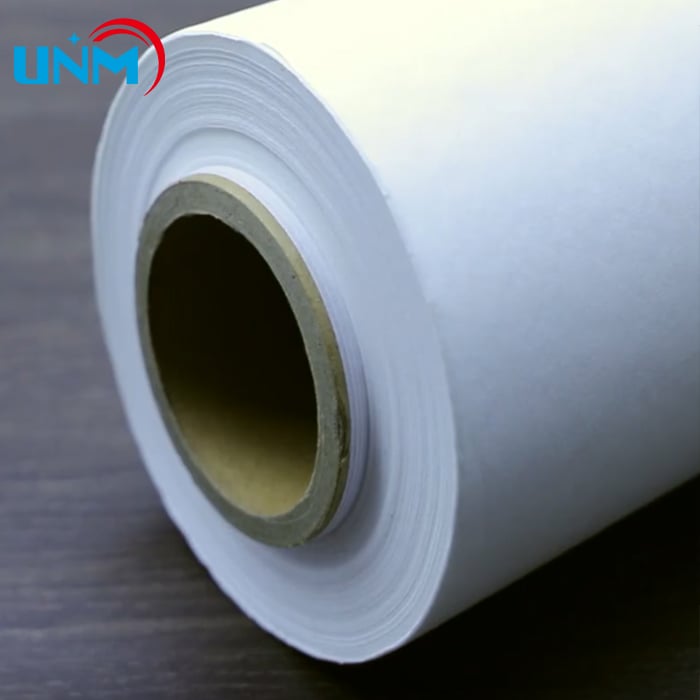
Besides, good durability is also the feature of air PTFE membrane, similar to the Unique's product like eptfe air filter membrane. Highly UV resistant, water-resistant and heat/cold resistance makes it the perfect material for outdoor fixtures like tensile structures, roofs or canopies. The fire-resistant nature of this material also contributes towards elevating the safety standards in building designs.
The material embodies the innovative properties of air PTFE membrane and is revolutionising how architects build by providing a sustainable, cost-effective means to transform buildings from function-first into form-function. Its lightweight and highly flexible which can easily adapt various designs while avoiding the use of heavy or expensive traditional materials.
In addition, air PTFE membrane is the most sustainable alternative to conventional construction materials, the same as breathable ptfe film produced by Unique. The heavy duty nature of our bumper will also ensure a long lifespan and resistance to the elements, UV light and climate changes cutting future maintenance needs as well so fewer replacements or disposal are required. On top of that, its light weight cuts down shipping costs and reduces the environmental impact by decreasing carbon emissions.
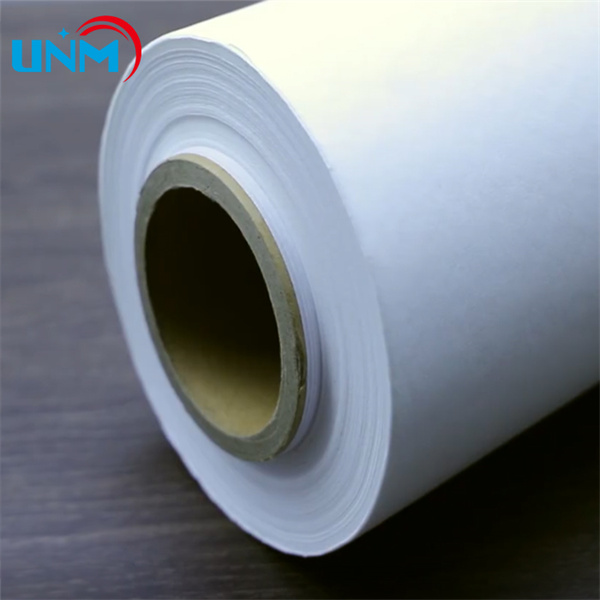
The production accuracy and consistency of the product has been greatly improved by advancements in air PTFE membrane manufacturing, same with Unique's eptfe dust removal membrane. This has created a new premium material for architectural applications. All these innovations, together with computer-aided design (CAD) software have allowed architects and developers to create complex designs for the material. Furthermore, the fabric can be computer-cut to create air PTFE membrane in any shape or size, making architectural creativity more exciting than ever.
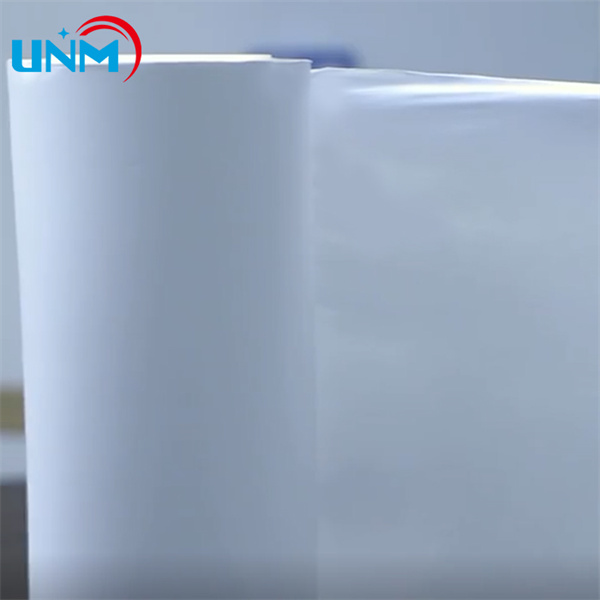
In the architectural design, however, sustainability and environmentally friendly approaches are becoming increasingly important, along with the eptfe air filter membrane manufactured by Unique. Because of its eco-friendly profile, Air PTFE membrane has these principles in the bag. Moreover, the lightweight properties limit transport-related CO2 emissions; and its durable qualities provide tougher resistance to on-site weathering, for less necessity of renewal - Hence potentially fewer replacements or disposal. In addition, the air PTFE membrane is recyclable making it as sustainable a material choice for future building-type works.
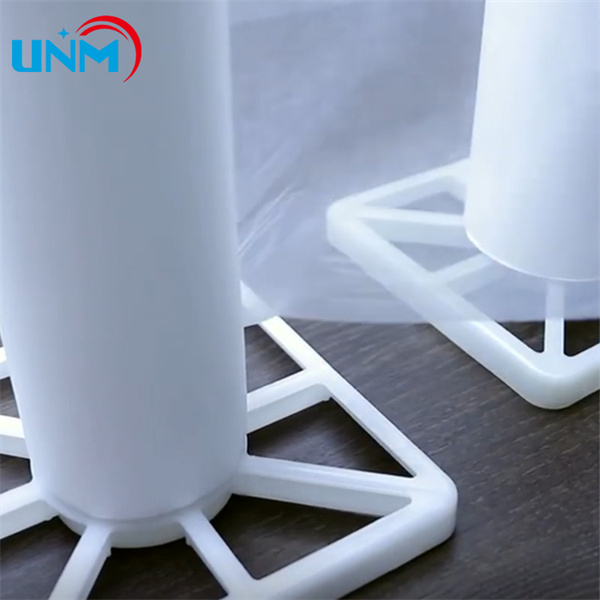
In terms of costs, air PTFE membrane is a relatively low-cost alternative to create vis-a-vis traditional construction materials, just like the Unique's product called filtration eptfe membrane. Its lightweight structure allows lighter, greener and cheaper transport leading to lower transportation costs and emissions of pollutants. Moreover, the reduced costs associated of this material with wear and tear usually means less expense on maintenance in general over time as it is very resistant to environmental factors which prevents frequent replacement or disposal.
To sum up, air PTFE membrane has become a material to change architectural design. It is now a popular choice for architects and developers as it offers many advantages like daylight, ventilation combined with durability, sustainability and cost efficiency. Due to the continued masterful advancements in manufacturing alongside a societal progression toward sustainability, air PTFE membrane is poised for architectural design prominence into the future.
 EN
EN
 AR
AR
 BG
BG
 HR
HR
 CS
CS
 DA
DA
 NL
NL
 FI
FI
 FR
FR
 DE
DE
 EL
EL
 HI
HI
 IT
IT
 JA
JA
 KO
KO
 NO
NO
 PL
PL
 PT
PT
 RO
RO
 RU
RU
 ES
ES
 SV
SV
 TL
TL
 ID
ID
 LV
LV
 SR
SR
 SK
SK
 SL
SL
 UK
UK
 VI
VI
 SQ
SQ
 HU
HU
 TH
TH
 TR
TR
 AF
AF
 MS
MS
 GA
GA
 CY
CY
 BE
BE
 LA
LA