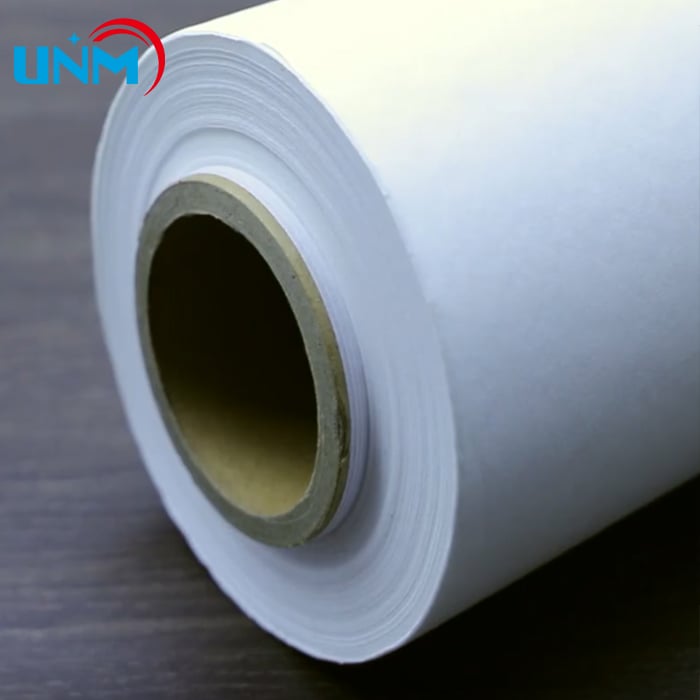
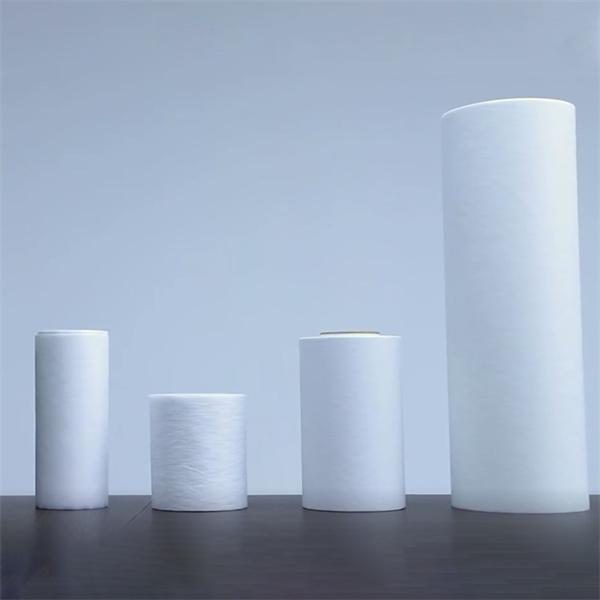
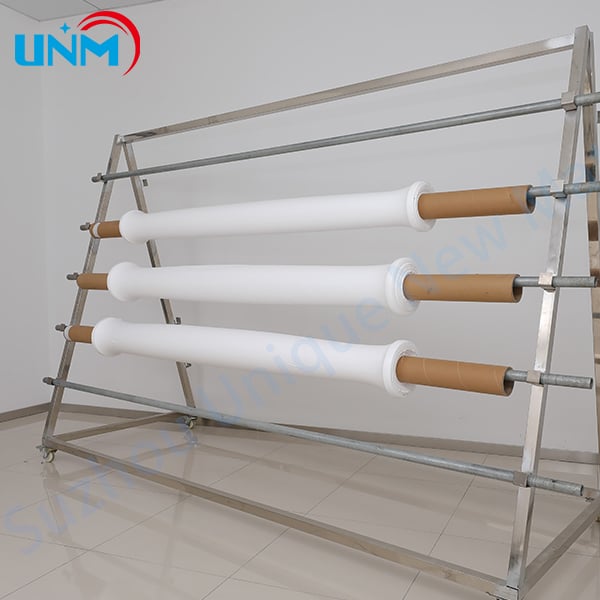
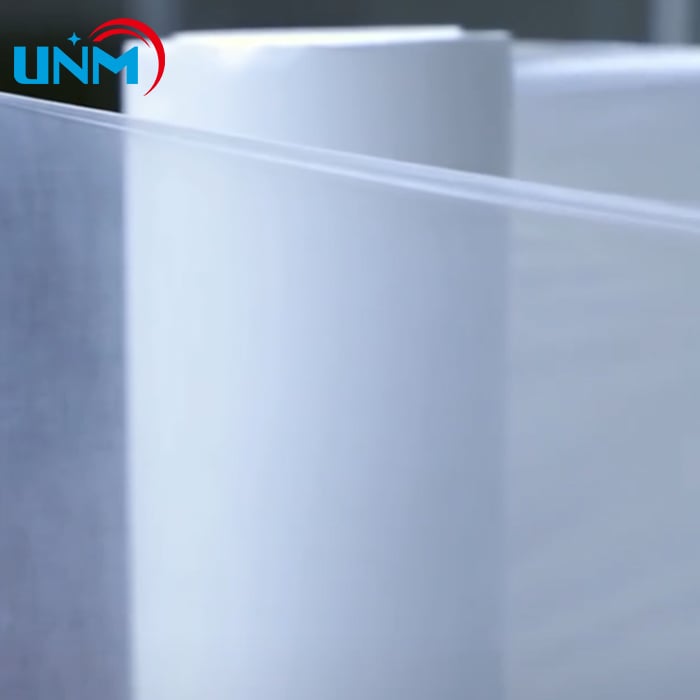
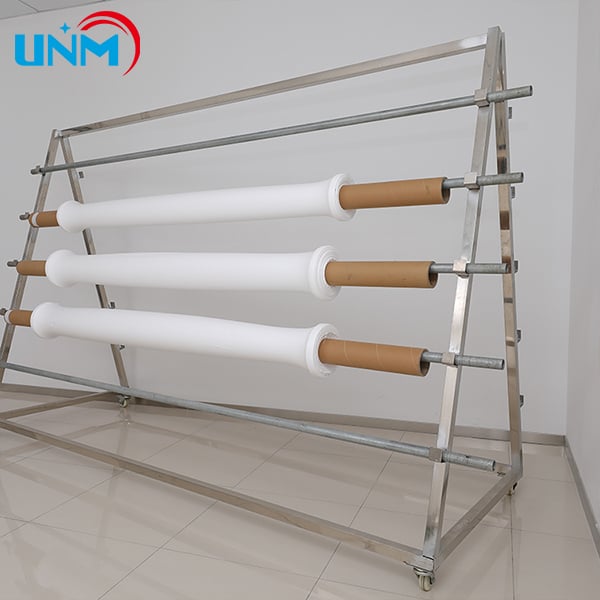
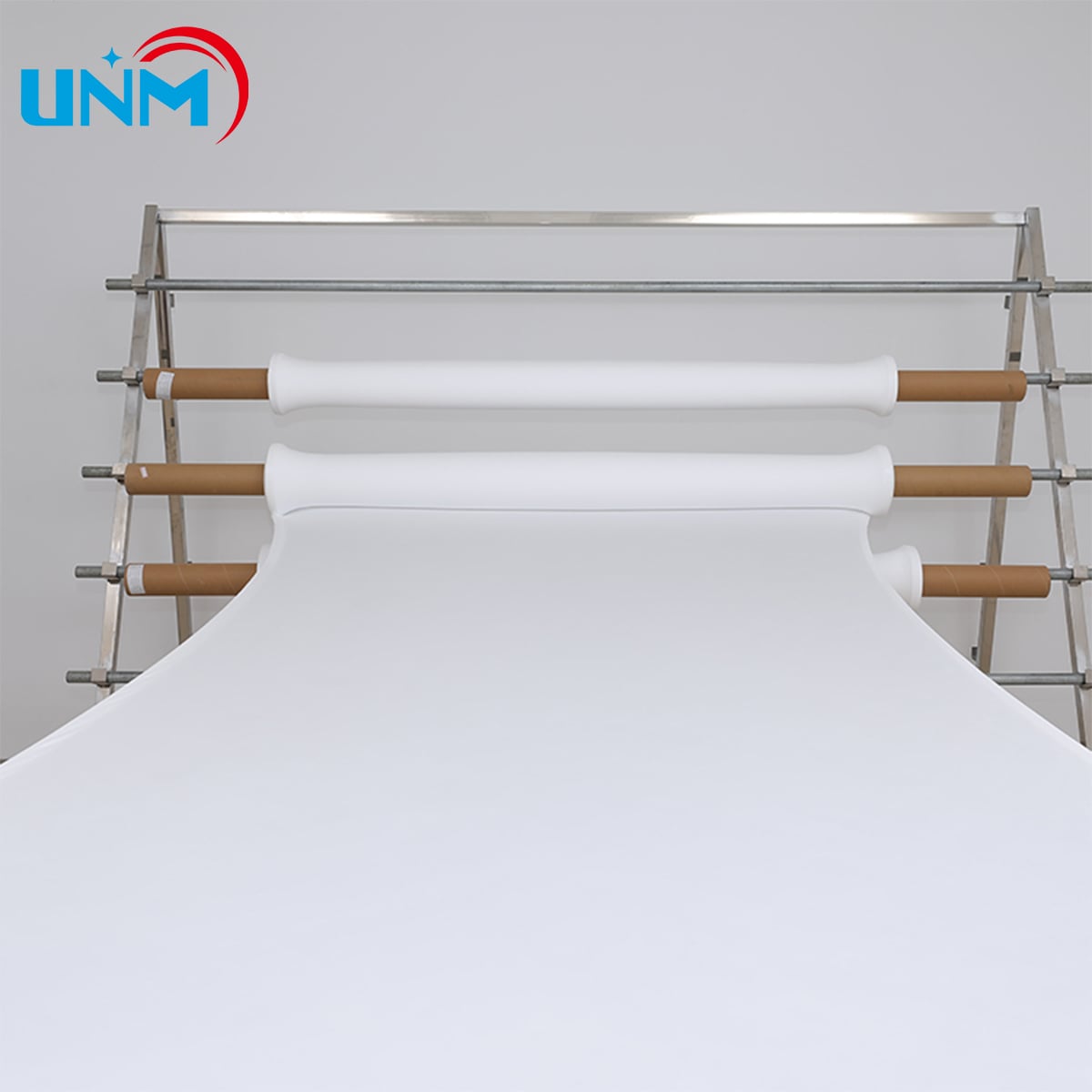
A detailed history of Teflon (Polytetrafluoroethylene) membrane. One of the most impressive characteristics of Teflon-technically known as Polytetrafluoroethylene (PTFE)-makes it a viral material in industries and medical applications: resistance to chemical damage. So now it is time to move a step further and find out what more Teflon and ptfe filters from Unique have in store for us!
Selecting Teflon membrane and ptfe air filter media from Unique. A vast array of choices will change over the application-oriented qualities of their processes, which may come with formation pore size and thickness. Pore size determines the selectivity of a membrane. Larger molecules are prevented from passing through tiny pores. The thickness of the porous layer also influences significantly on membrane performance. Thin layers result in very high flux rates but lack mechanical strength. In contrast, thicker composite structures can withstand pressure/temperature variations and chemical challenges.
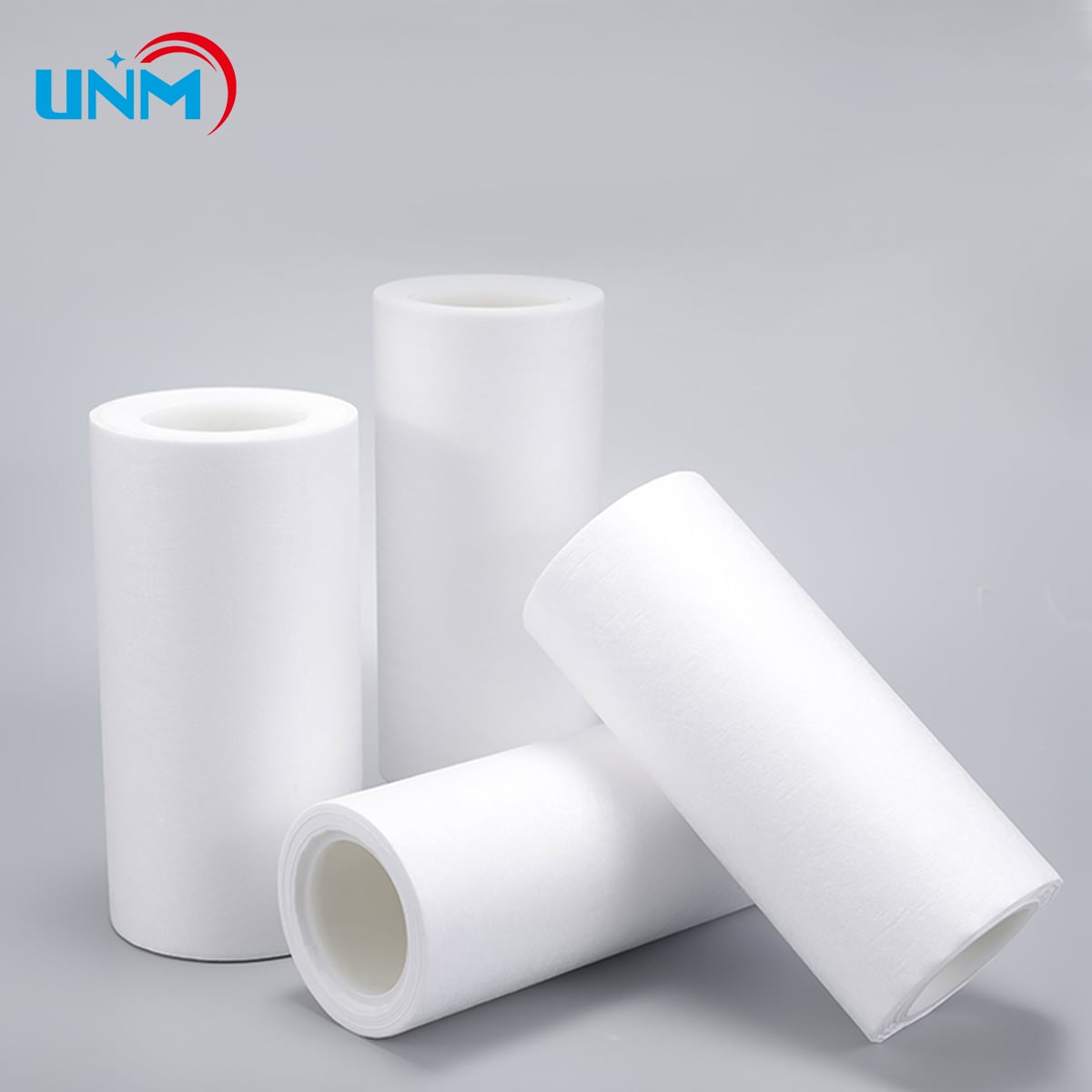
A Teflon membrane and breathable ptfe film can be damage resistant toward chemical material and at extreme and high solvent temperatures. This non-reactive property helps the Teflon be used in various industrial and medical applications without affecting its efficiency. In addition, the inherent strength of Teflon membranes provides a robust media that can operate under high pressures and is not affected by irradiation, making them ideal for use in areas dealing with radioactive materials. But remember that Teflon membranes are more expensive than other types of membranes. Moreover, they have low protein-binding abilities, and their stiffness makes handling complex.
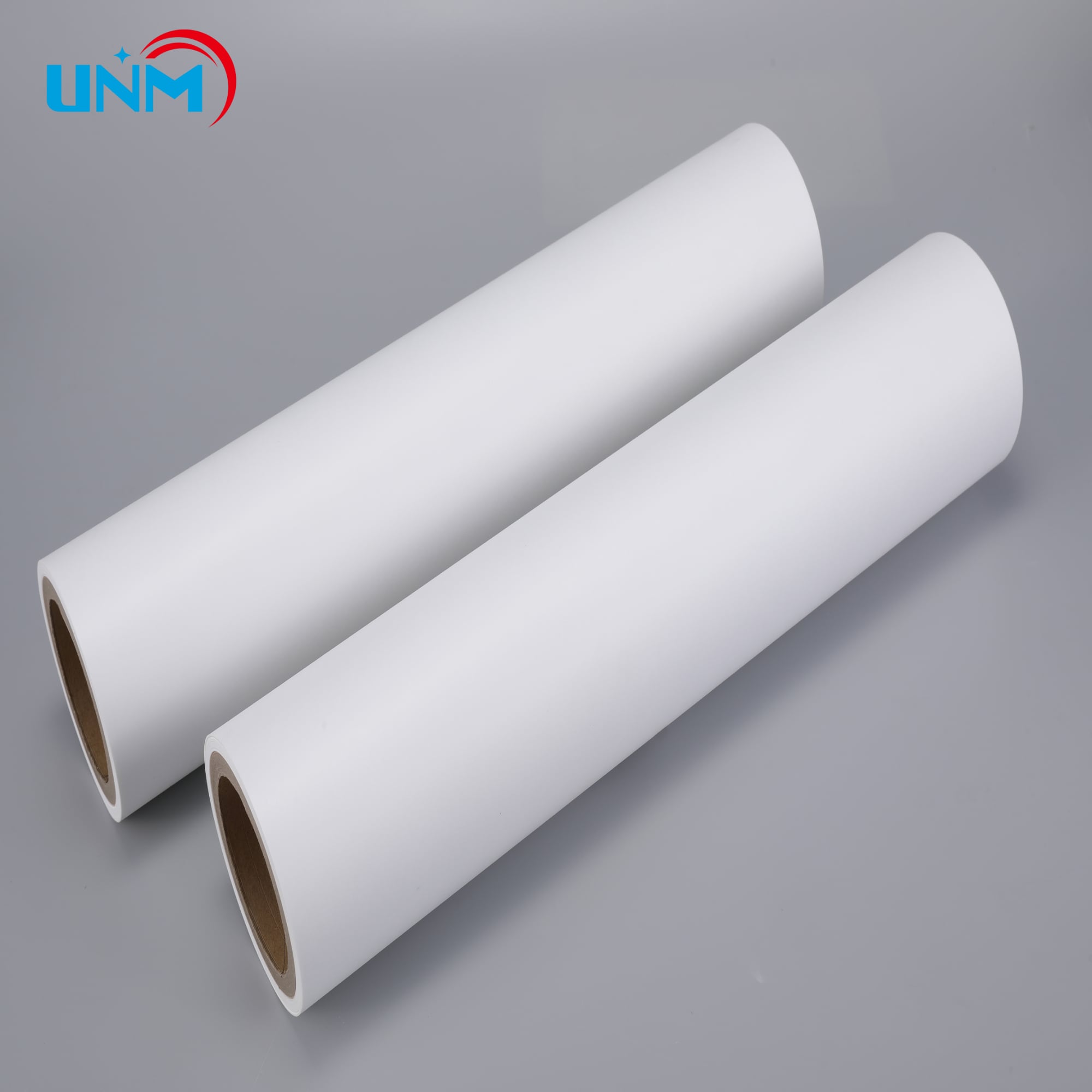
Teflon and ptfe air filter membranes differ from other membrane types, with a few special ones being its hydrophobicity, which has a high separating capability for nonpolar solvents. On the other hand, hydrophilic membranes such as cellulose and polyamide are overly attracted to polar solvents. Another Teflon-similar class of membranes is PES, which is answered by relatively small pore sizes and synthetic organically resistant materials. But Teflon boasts better chemical resistance over PES membranes, making it the best choice for severe solvents applications.
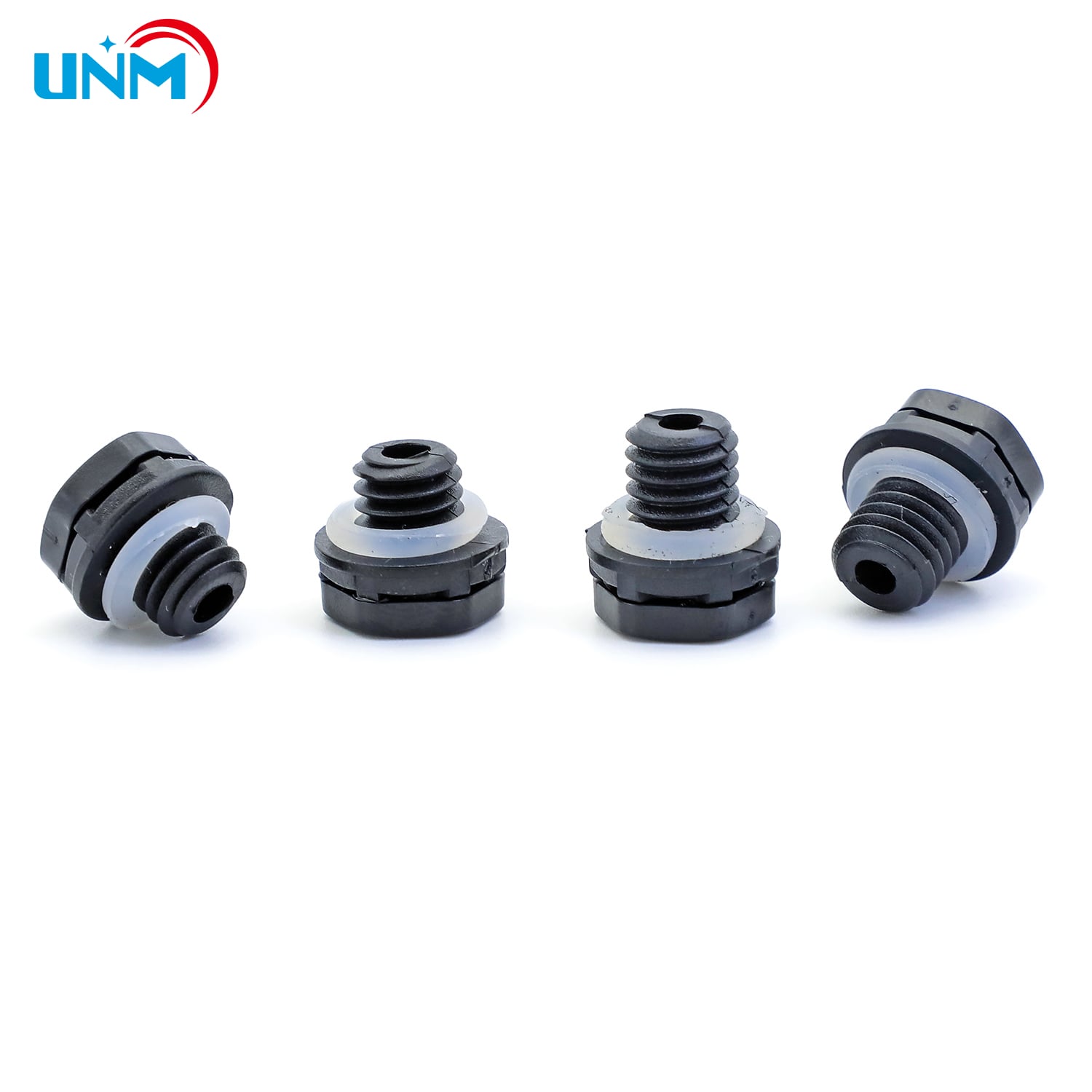
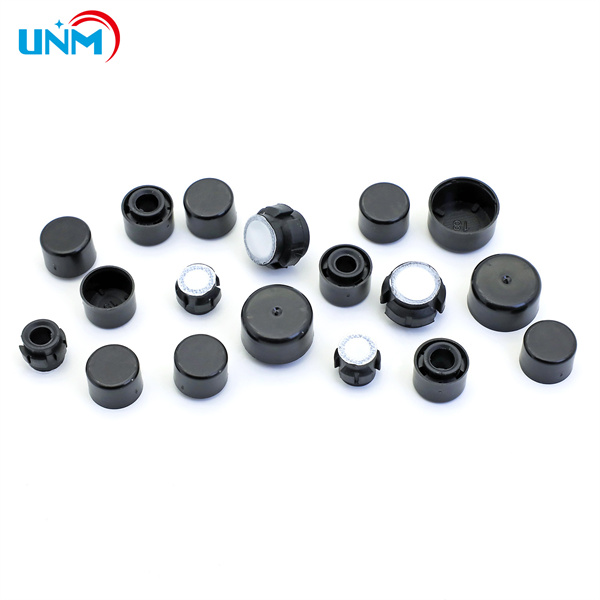
Aggressive Liquids Filtration Teflon membranes and clean room filtration membranes are perfect for the filtration of aggressive liquids beyond the capabilities of traditional filter media. They are thus used in industries like pharma, chemicals, and life sciences. Teflon membranes are excellent at separating gas on millions of levels based on molecular weight or pore size. Venting: Teflon membranes, because of their hydrophobic and chemical-resistant properties, are commonly used for venting applications; Membrane Distillation: The presence of a relatively high level of salt in water typically makes it challenging to use membrane technologies for desalination unless fouling-resistant membranes that can tolerate these conditions are utilized. Membrane Electrolysis: This process is another electrolysis application that utilizes the high-temperature resistance of Teflon membranes to handle harsh chemicals. Therefore, the Teflon membrane is a practical material with multiple industrial and medical applications. When choosing a Teflon membrane, you need to consider the pore size, thickness, hydrophobicity, and the environment in which your application will be used. Although relatively more expensive, Teflon membranes are unique. They can be applied in various niche applications due to their properties.
 EN
EN
 AR
AR
 BG
BG
 HR
HR
 CS
CS
 DA
DA
 NL
NL
 FI
FI
 FR
FR
 DE
DE
 EL
EL
 HI
HI
 IT
IT
 JA
JA
 KO
KO
 NO
NO
 PL
PL
 PT
PT
 RO
RO
 RU
RU
 ES
ES
 SV
SV
 TL
TL
 ID
ID
 LV
LV
 SR
SR
 SK
SK
 SL
SL
 UK
UK
 VI
VI
 SQ
SQ
 HU
HU
 TH
TH
 TR
TR
 AF
AF
 MS
MS
 GA
GA
 CY
CY
 BE
BE
 LA
LA