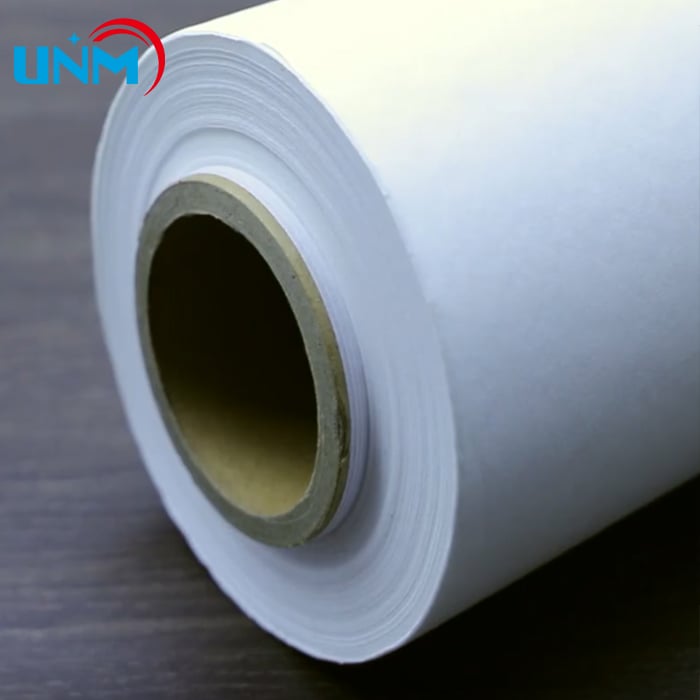
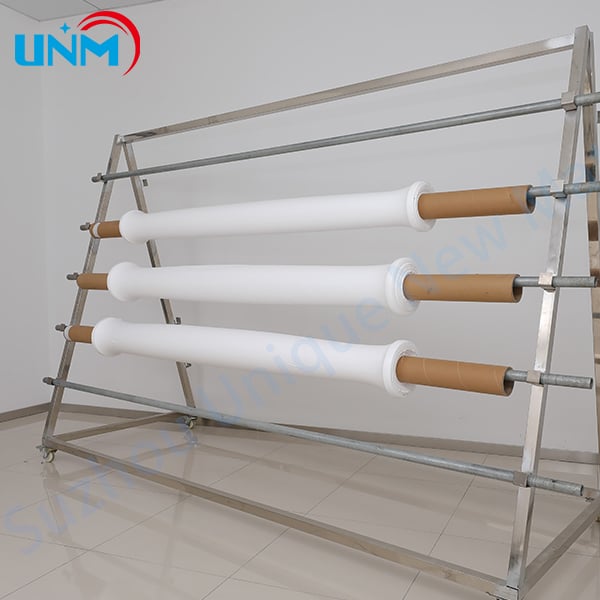
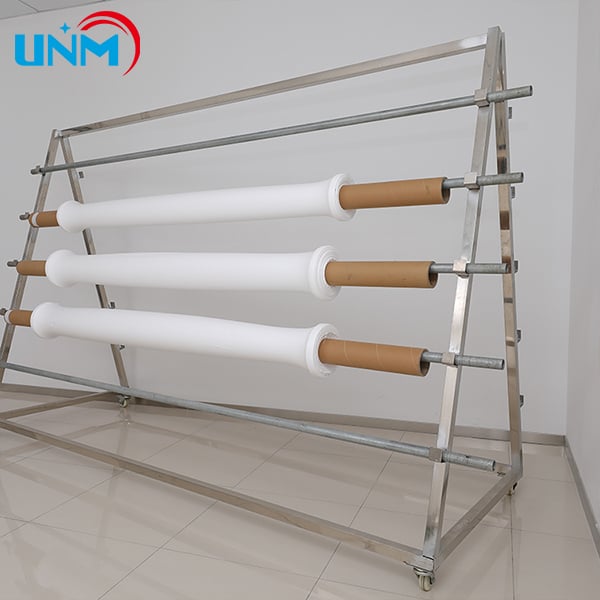
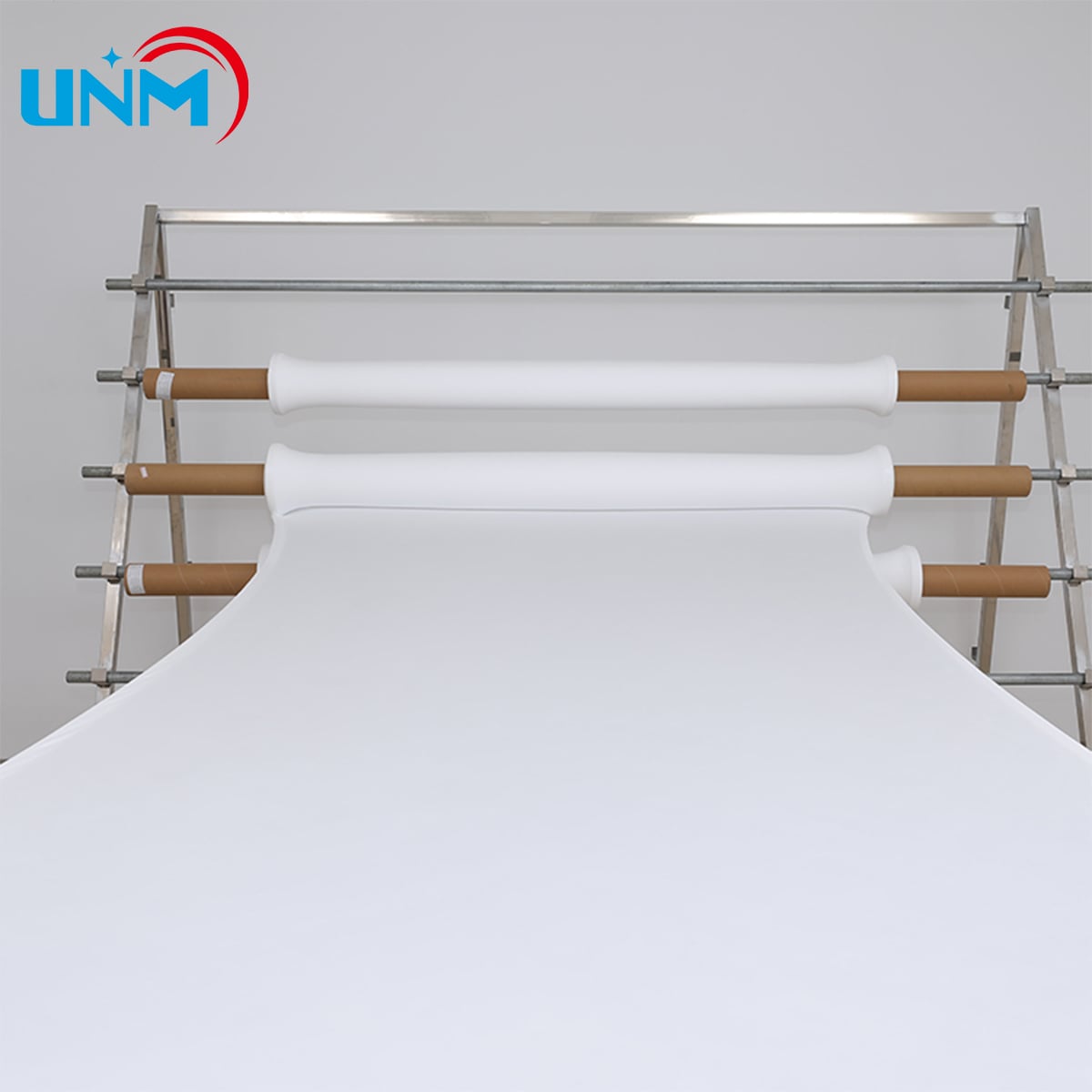
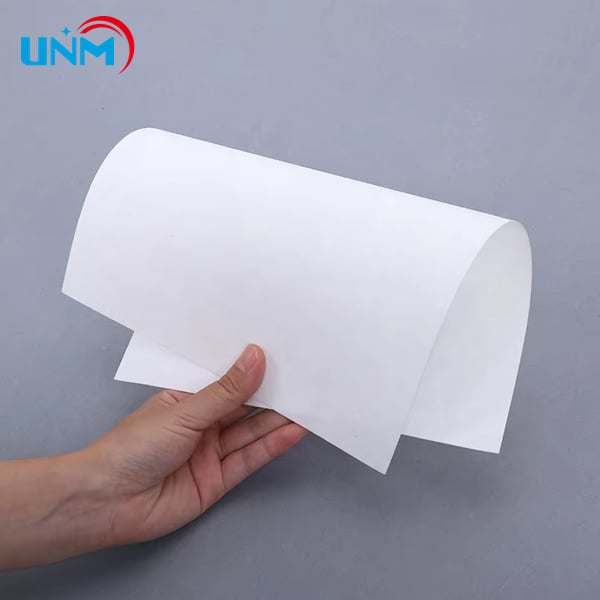
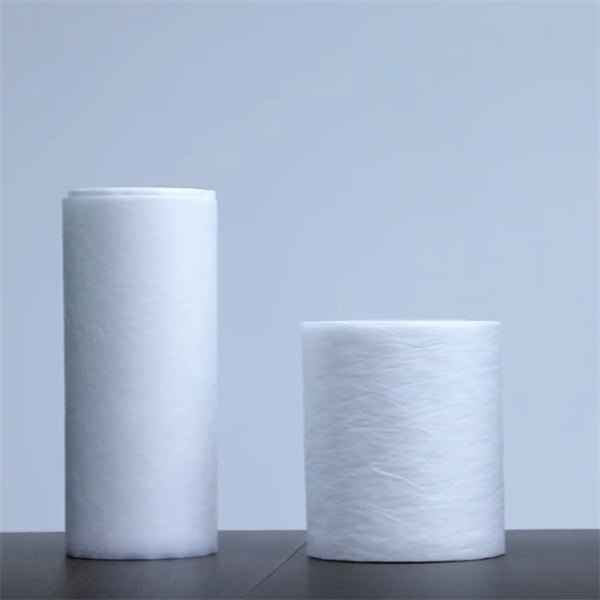
If you have never heard of a PTFE roll in your life, this post is going to be great for that. It is no ordinary plastic coating, however - it is a super-durable material with some unique properties. This write up will take you on a roller coaster ride of it PTFE roll being unique in its own way but the solution / need when talking about extreme high temperatures and why that matters for manufacturing.
Indeed, PTFE Guinea fowl Mastic is some sort of product which is a lot preferred inside our lifestyles but really anyone if you find yourself alert to the advantageous using this quality. This is a very handy feature in industrial areas, as it simplifies the cleaning process. The roll constructed of PTFE can be the most reliable, partially because it is resistant to even more aggressive chemicals and extremely high temperatures up to 500-degrees F making them perfect for harsh chemical environments as well as extreme heat applications.
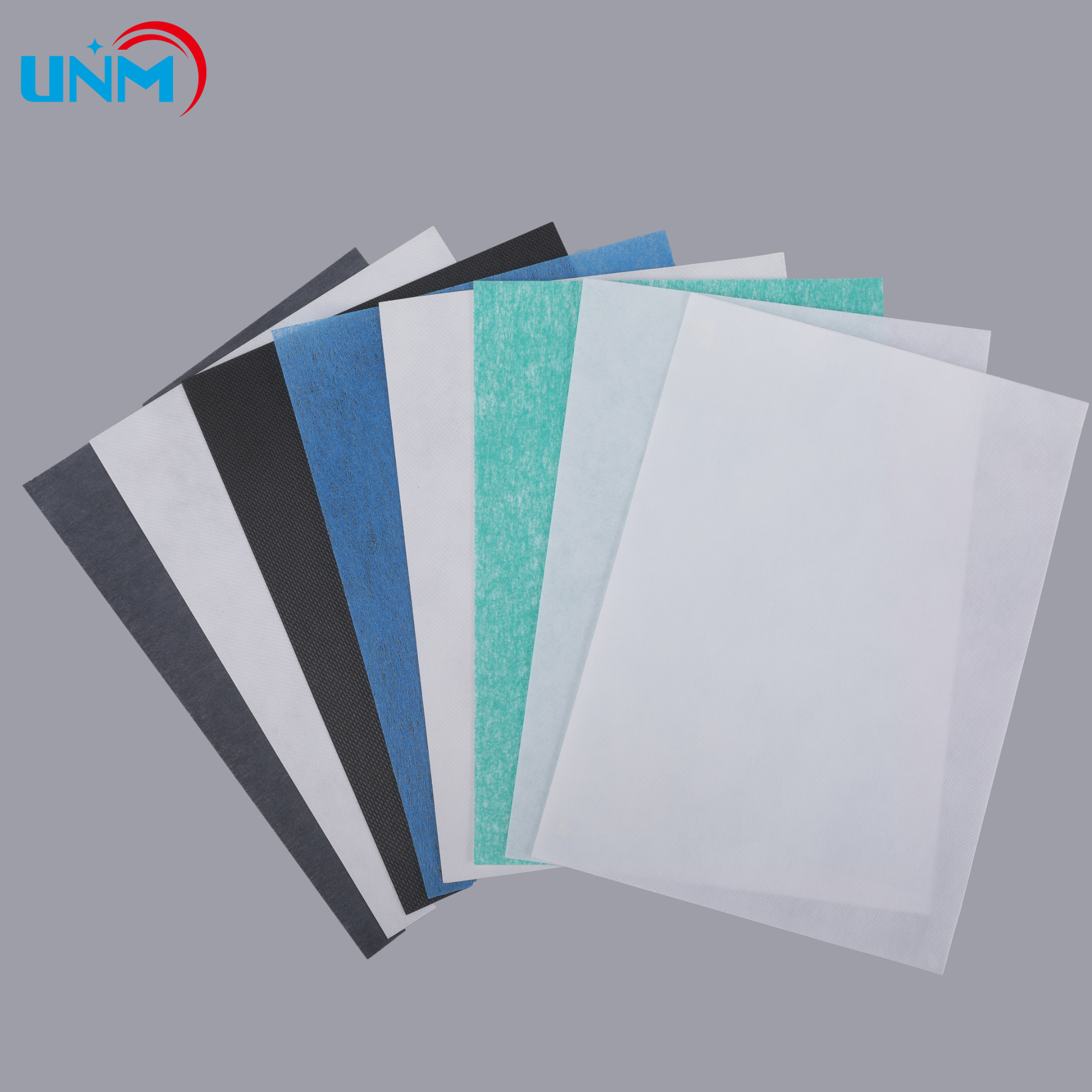
But among these PTFE roll seems to be a great alternative for using them under high-temperature conditions. While other materials would then begin to break down at a given level of heat, PTFE roll is game for staying solid and functional in temperatures going all the way up to 500°F — so its nonstick properties are indeed rather useful from a performance standpoint (regardless as well). Also, it resists caustic chemicals that would have destroyed the powder.
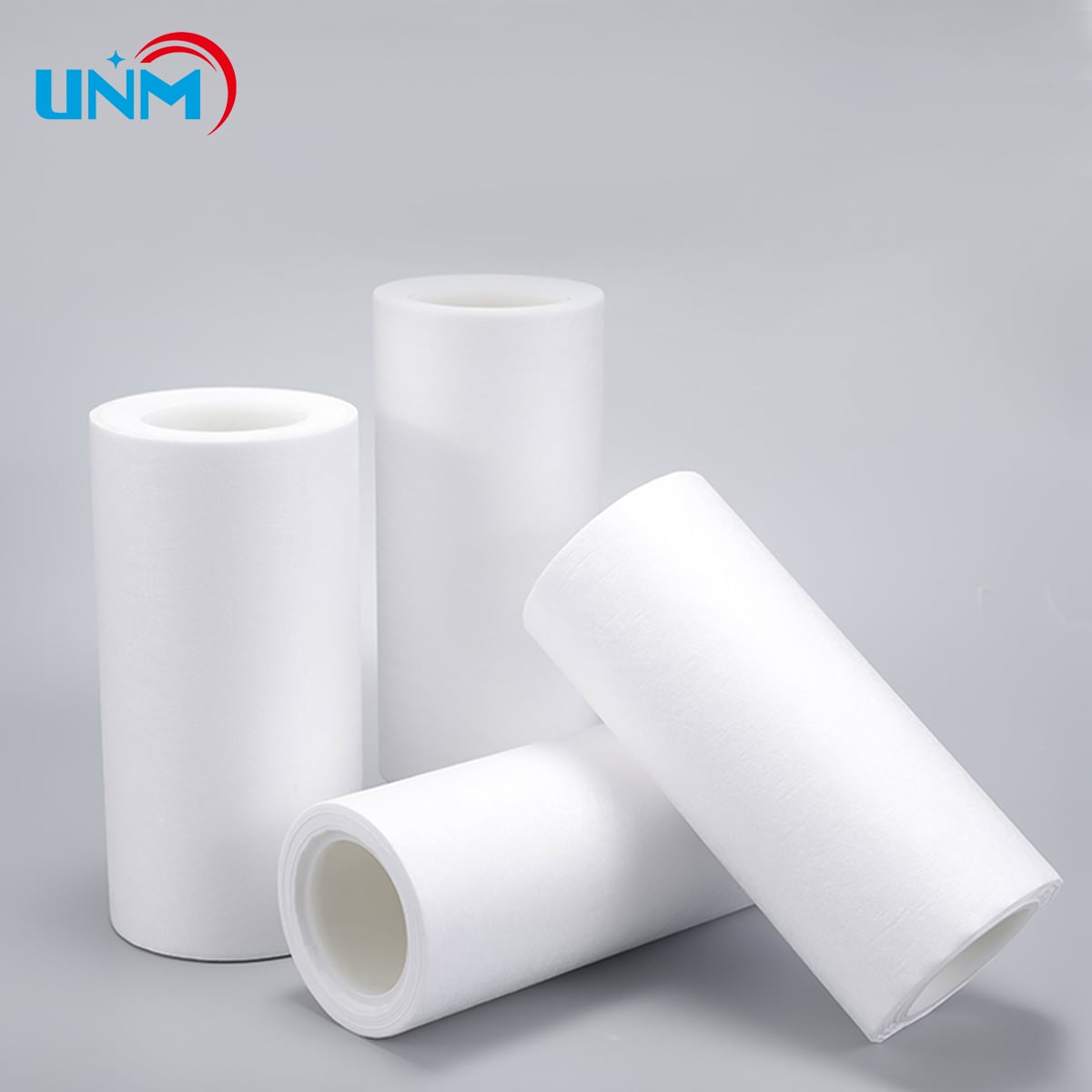
Because PTFE roll ensures a smooth working spacecraft in the manufacturing world This is due to the fact that they prevent materials from sticking to molds or parts during production, which helps improve efficiency and reduce wastage. It also serves as a corrosion-resistant and chemically resistant liner that will add to the life of tanks, pipes. PTFE roll is not only important to industrial surroundings, but it use has spread also in the food industry and pharmaceutical sector because of its non-stick properties for cooking surfaces as well capsules coating.
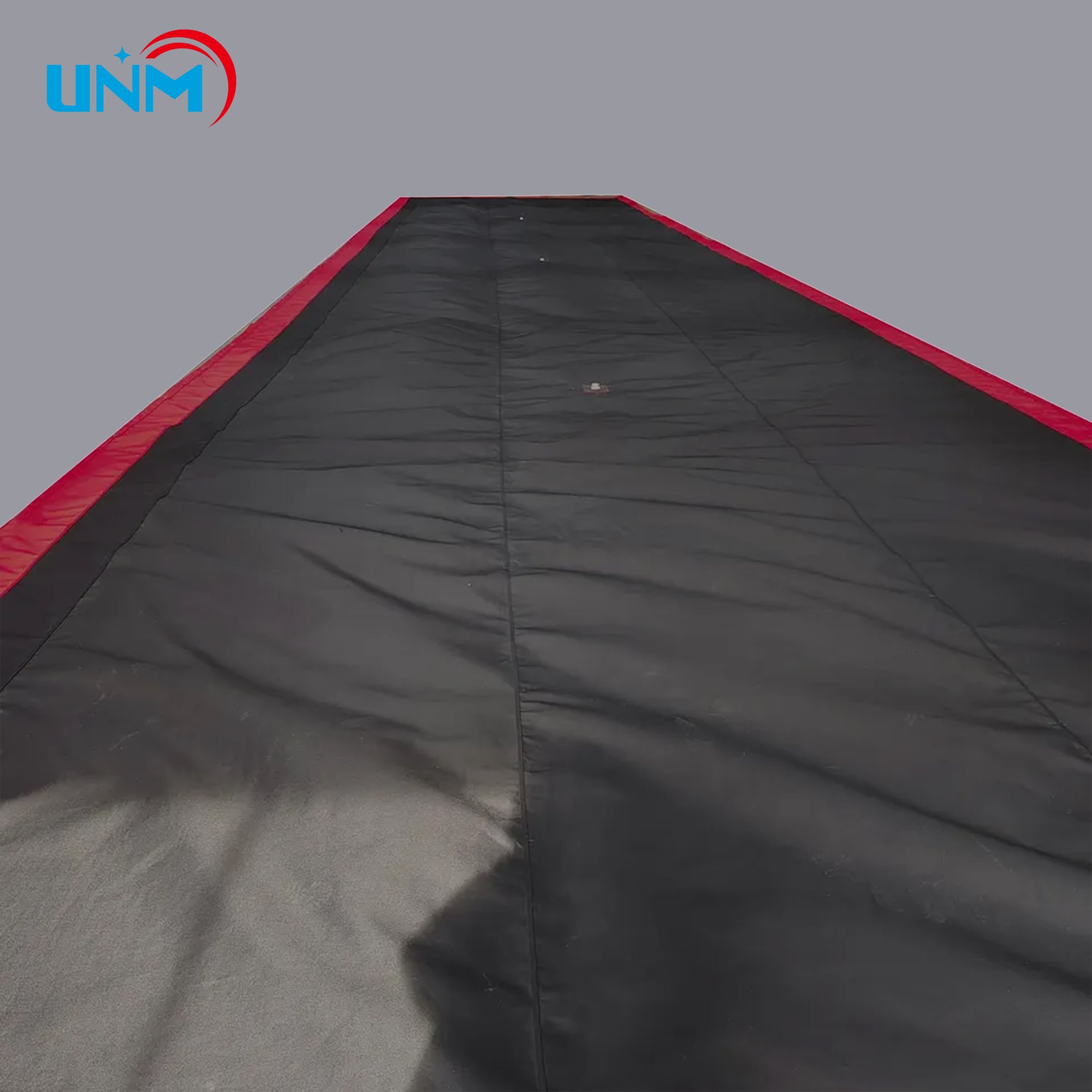
In this blog, we share some Top Tips to Remember before going with the PTFE roll. Selecting the correct thickness for what you will be doing with it is very important, but generally speaking thicker rolls (like 20 lets say) are work well at higher temperatures while a thinner roll (12 or so?) would be better suited to low temp environments. However, this is where proper installation makes the difference -avoiding bubbles and achieving a clean tight edge-to-edge adhesion. This roll, especially when used raw in baths and on body brushes will require some maintenance to remain servicable for the long term - wipe it clean after every use, inspecting rollers for wear.
In fact, the PTFE roll is sort of a superhero in plastic coating aside from its unparalleled strengthChemical resistance and working temperature. It is also used for process manufacturing(hot forming, hot rolling) With it, you should be able to handle PTFE roll in your work too!
 EN
EN
 AR
AR
 BG
BG
 HR
HR
 CS
CS
 DA
DA
 NL
NL
 FI
FI
 FR
FR
 DE
DE
 EL
EL
 HI
HI
 IT
IT
 JA
JA
 KO
KO
 NO
NO
 PL
PL
 PT
PT
 RO
RO
 RU
RU
 ES
ES
 SV
SV
 TL
TL
 ID
ID
 LV
LV
 SR
SR
 SK
SK
 SL
SL
 UK
UK
 VI
VI
 SQ
SQ
 HU
HU
 TH
TH
 TR
TR
 AF
AF
 MS
MS
 GA
GA
 CY
CY
 BE
BE
 LA
LA