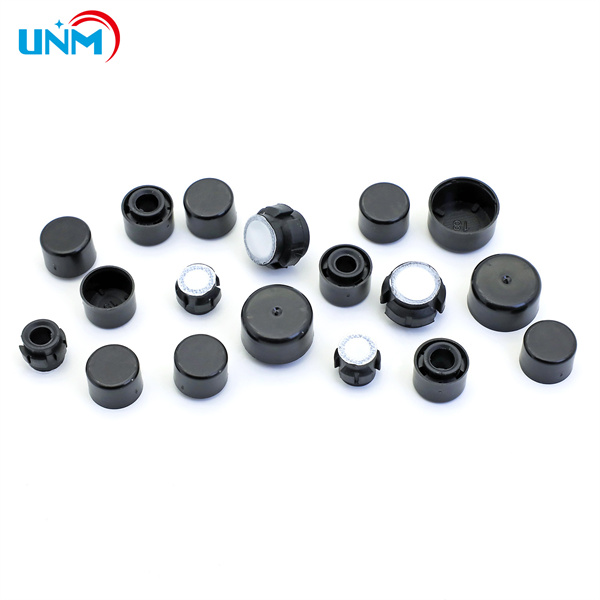
Take notice of other areas that maintain a cold temperature even if you have the heat on. This ends up being really unpleasant and annoying! A common cause of these cold spots may be because your radiator is malfunctioning. Radiators help to warm up your home, so they are quite crucial. They are equipped with a small plug valve that lets air out. However, air may at times be trapped inside the radiator creating cold patches which can impede heating of all parts room.
Bleed your radiator air vent plug valve, on the other hand. This process is pretty simple and it can make your home heating better. The valve you need to find is the first thing. It's just like a little metal plug up on your top radiator, You need to understand where it is, so you are able to do the next steps.
Afterward, you will require a radiator key or flat screwdriver to enable turning of the valve. Also, prepare a towel or anything like that to catch any water when you turn it. First, gradually rotate the valve to its left side (counter-clockwise) If you are doing this right, it should make a hissing sound in the process. This indicates that the air pocket is opening in up to be purged out of the radiator. Keep listening! You turn it left (counterclockwise) to open the valve and when you hear gurgling or see some water start coming out, you should have then turned that wheel back right again now. Closing is turning RIGHT/CLOCKWISE in a clockwise fashion Like this!
Next, we will discuss why proper venting of your radiator is so crucial. These pockets of airprevent water from circulating evenly through the radiator and can lead to overheating. This creates cold spots and keeps certain parts of your home warm - while leaving other areas frigid. When you bleed the air vent plug valve, it releases trapped gas, so water can be moved freely. This keeps your radiator from heating up the room in as evenly and effectively.
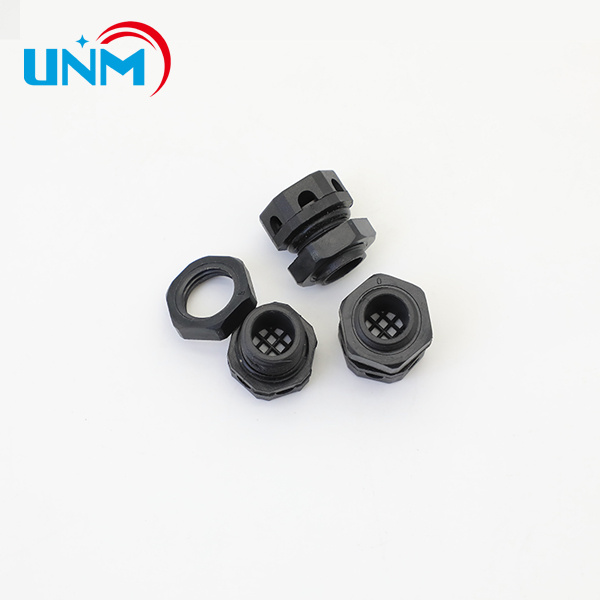
A cold spot occurs when air becomes lodged in the radiator. If that air is stuck, the water will not be able to heat this zone causing cold spots. You can get rid of the trapped air by it using a radiator air bleed valve. It allows the water to warm across all of the radiator so your room is generally hotter, and cosier.
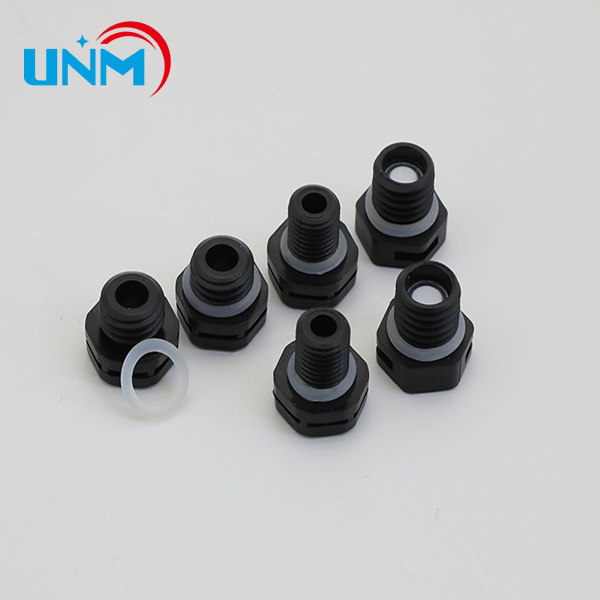
The most comfortable and easy way is the ensure you are their with some good heating system beside to, in cold winters. If you want to know more about automotive radiators, or if you are working on such projects as radiator re-coring or Hydrostatic testing of your vehicle's cooling system do not hesitate to contact a knowledgeable professional. Other services ranging from cleaning the fins and proper replacement of fans also come in handy for keeping up-to-date with modern car engines like this V6 EcoBoost Mustang engine! A radiator that gets plenty of air will heat your house more efficiently, which means cheaper energy bills!
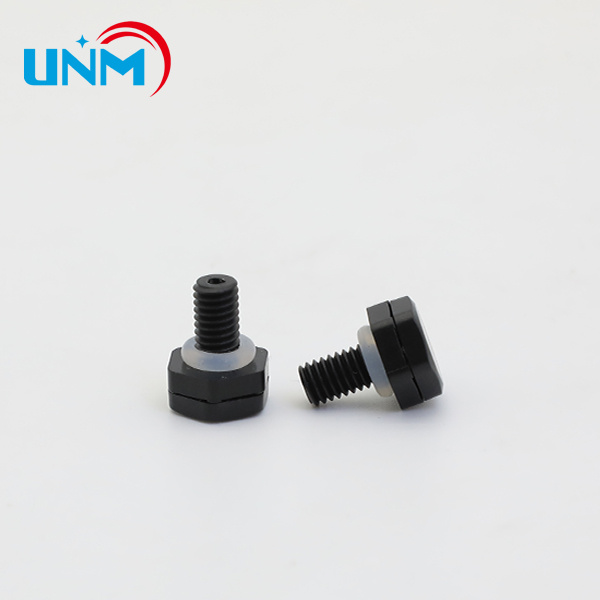
The air in your radiator acts like an insulating barrier, which is why it helps keep the heat from escaping. This barrier inhibits the circulation of hot water throughout the radiator, resulting in a poor heat output. Simply put, the water cannot flow through if it is stuck in one place until all of the trapped air comes out so by using a radiator air vent plug valve you allow for that to escape. This means your radiator will not have to heat as much, which is good for both the environment and your wallet!
 EN
EN
 AR
AR
 BG
BG
 HR
HR
 CS
CS
 DA
DA
 NL
NL
 FI
FI
 FR
FR
 DE
DE
 EL
EL
 HI
HI
 IT
IT
 JA
JA
 KO
KO
 NO
NO
 PL
PL
 PT
PT
 RO
RO
 RU
RU
 ES
ES
 SV
SV
 TL
TL
 ID
ID
 LV
LV
 SR
SR
 SK
SK
 SL
SL
 UK
UK
 VI
VI
 SQ
SQ
 HU
HU
 TH
TH
 TR
TR
 AF
AF
 MS
MS
 GA
GA
 CY
CY
 BE
BE
 LA
LA