 EN
 AR
 BG
 HR
 CS
 DA
 NL
 FI
 FR
 DE
 EL
 HI
 IT
 JA
 KO
 NO
 PL
 PT
 RO
 RU
 ES
 SV
 TL
 ID
 LV
 SR
 SK
 SL
 UK
 VI
 SQ
 HU
 TH
 TR
 AF
 MS
 GA
 CY
 BE
 LA

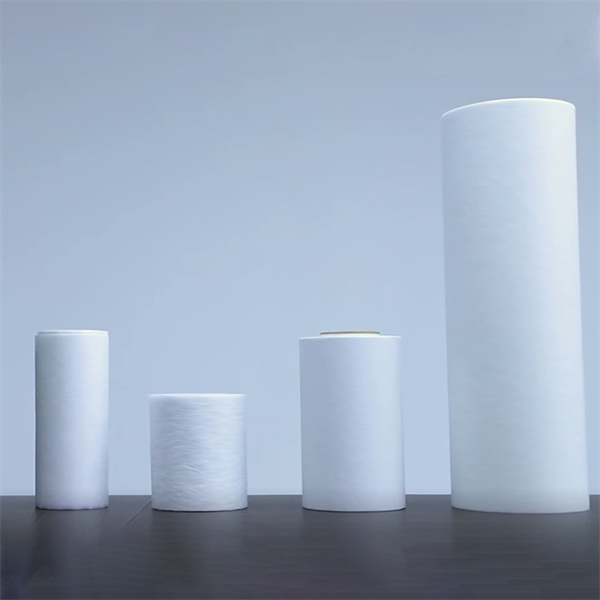
There is a wide variety of polytetrafluoroethylene (PTFE) microporous membranes available, with varying pore sizes, thicknesses, and lamination methods. Choosing the wrong specifications can, at best, affect filtration performance and, at worst, lead to frequent system downtime. When making a purchase, we recommend considering the following four factors.
First, check the pore size and filtration precision. The pore size of PTFE microporous membranes typically ranges from 0.1 to 7.0 micrometers. For sterilizing filtration and high-precision liquid filtration, select membranes with small pore sizes between 0.1 and 0.45 micrometers; for air filtration and industrial dust removal, choose specifications of 0.5 micrometers or larger based on the particle size. The smaller the pore size, the higher the filtration precision; however, the flow rate decreases accordingly, so a balance must be struck.
Second, consider porosity and resistance. Higher porosity and a more uniform pore size distribution result in lower resistance and higher flux for the same filtration precision. When purchasing, request that the manufacturer provide test data on porosity, air permeability, and bubble point to avoid relying solely on thickness.
Third, evaluate the manufacturer’s technical capabilities. The quality of microporous membranes is highly dependent on manufacturing processes: whether the manufacturer has mastered the core technology of biaxial stretching, whether it is a source factory, and whether it possesses high-temperature heat-setting and comprehensive testing capabilities—all of these directly impact product consistency and batch stability. It is recommended to prioritize manufacturers with in-house production across the entire process.
Fourth, consider customization and service capabilities. In practical applications, specific widths, thicknesses, and pore sizes are often required, and even lamination or composite processing may be needed. Manufacturers with customization capabilities can better align with your downstream processes.
In addition, reputable manufacturers should provide comprehensive product test reports, with each batch undergoing integrity testing and performance verification to ensure quality traceability.
UNM possesses a complete industrial chain—from blending and sheet forming to biaxial stretching and slitting—and can provide a series of polytetrafluoroethylene (PTFE) microporous membranes with pore sizes ranging from 0.1 to 7.0 micrometers, as well as customization services.