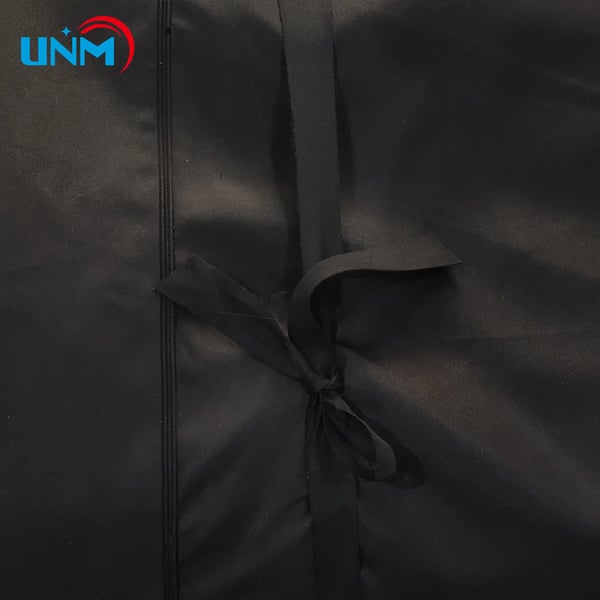
There are a number of factors outlining how to choose the best compost cover material. Air should be able to easily move through the compost, and that begins with choosing a material for your bin. It ensures that the minuscule microbes which convert the organic material into a viable form can do this more effectively. Secondly, a suitable material should keep enough moisture without making the compost too wet. Lastly, choose a good cover that will keep them from their natural enemies - rodents and insects. There are so many materials you might use to cover your compost, including straw, leaves or burlap entirely and that even old T-shirts have been shown exemplary!
Now, lets expand and study the more generalised benefits of using compost including compost cover crops in our garden. When organic waste decomposes in a landfill, it produces methane and other harmful gases but composting is able to divert some of that material into an eco-friendly alternative. Compost builds better soil health that yield"stronger and healthier plant-growth than synthetic fertilizers, reducing the carbon footprint from shipped goods. Compost blanket is a compost top dress that optimizes the efficiency of our traditional pile method, thereby creating nutrient-rich finished product to regenerate soils and landscapes. So it is really a win-win situation for the both of us as well as our planet that we call home!
Composting is a great way to create nutrient-rich soil for your plants while reducing waste. However, it can also attract unwanted pests and create unpleasant odors. This is where compost covers come in handy. , we will discuss what compost covers are, the benefits they provide, and how to use them effectively.

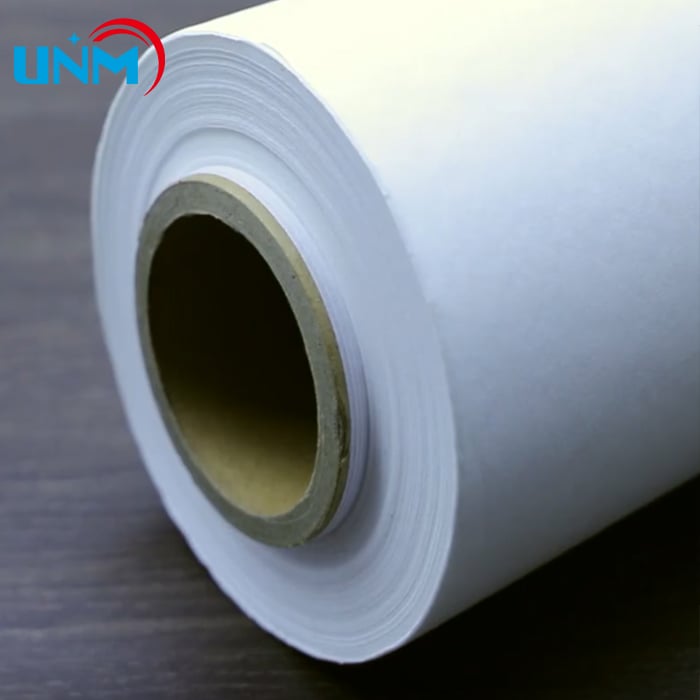
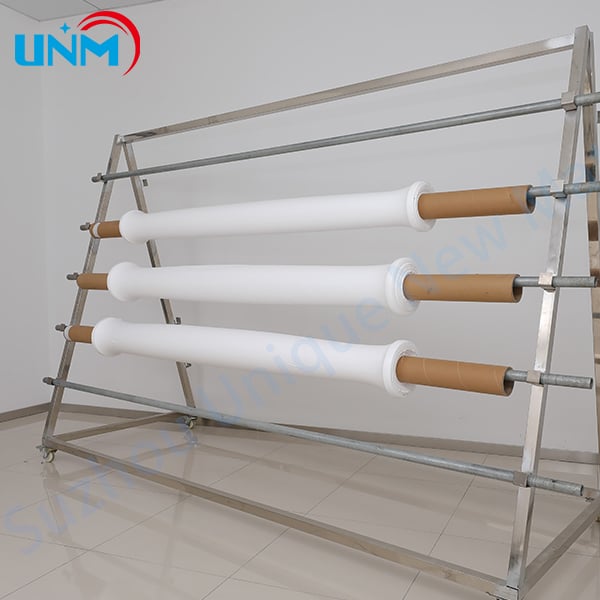
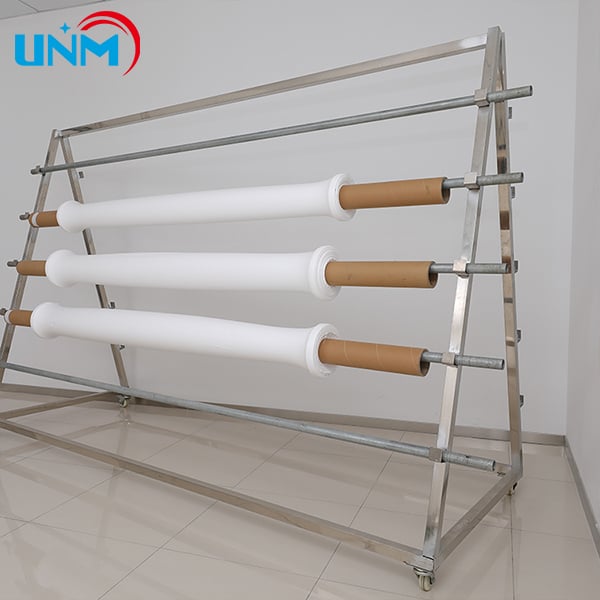
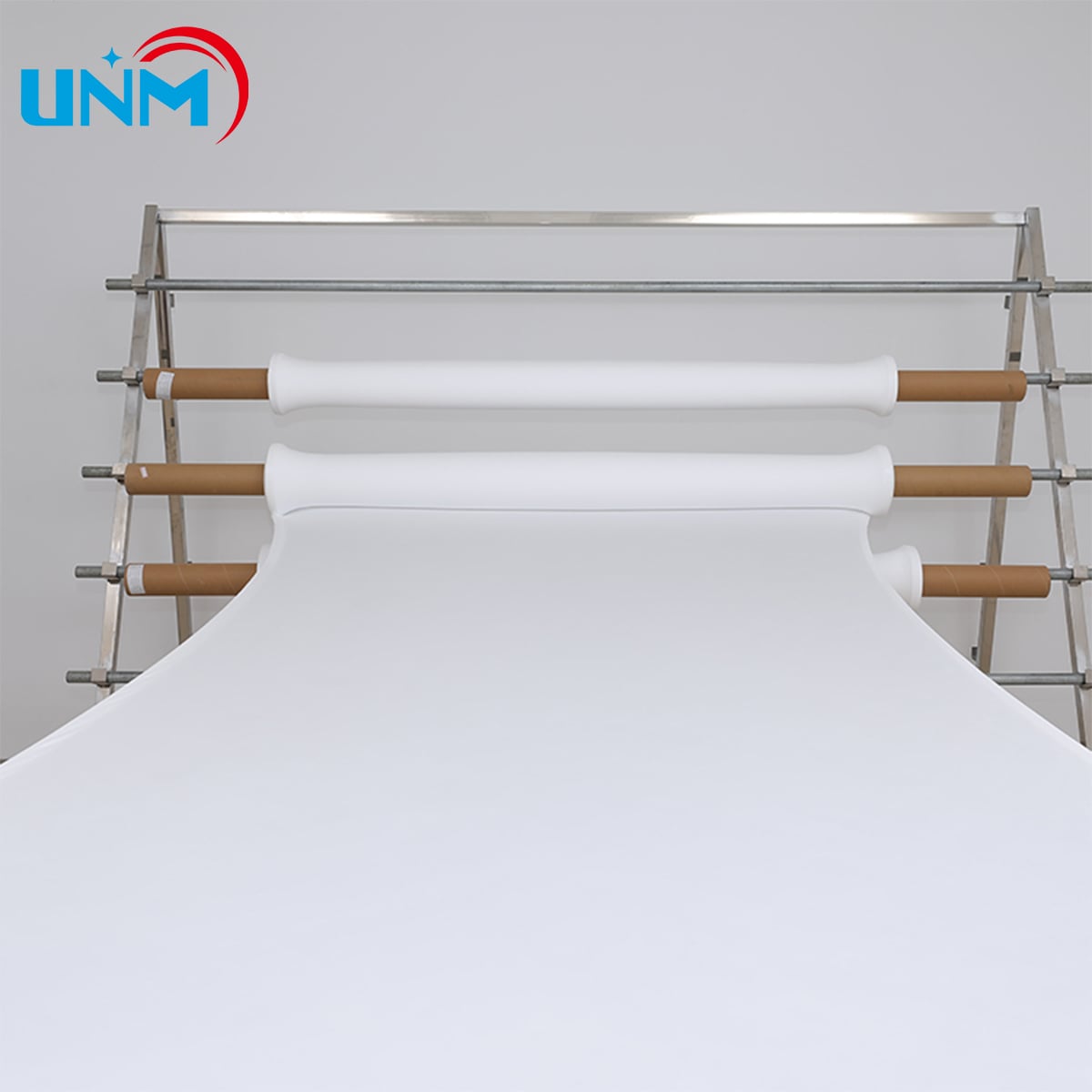
First and foremost, compost covers are durable and lightweight covers that are designed to protect your compost pile from the elements. They come in different sizes and materials, such as woven polypropylene and heavy-duty tarpaulin. Compost covers are essential in keeping your pile moist, which means they prevent the compost from drying out and stopping the decomposition process. They also prevent rainwater from washing away the valuable nutrients your compost contains.
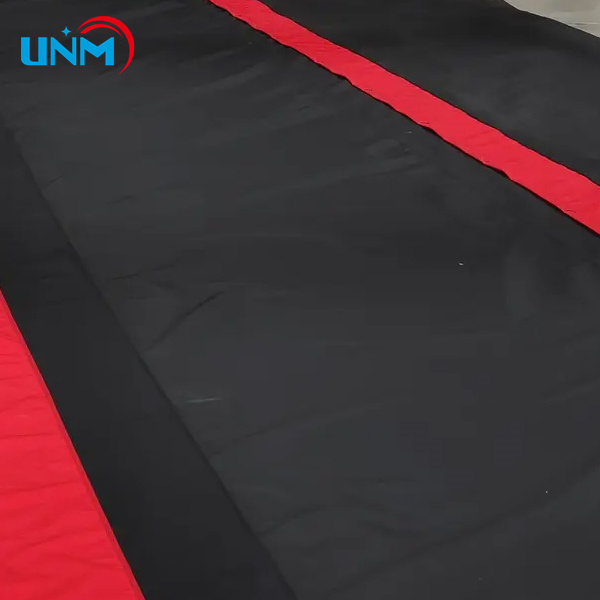
Using a compost cover comes with several benefits. It helps eliminate foul smells that can attract unwanted pests, such as rats and flies. The cover ensures that the composting process is hastened since the heat generated by the decomposition process is retained, creating the ideal conditions for beneficial microbes to thrive. The result is a nutrient-rich compost that can be used to improve your soil, promoting healthy plant growth.
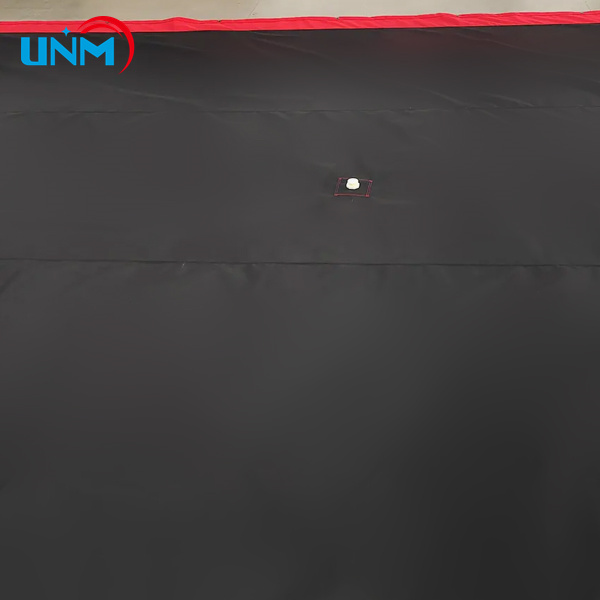
Using compost covers is easy. Firstly, select the appropriate size for your compost pile and cover it completely. If you have an open-air pile, you can use stakes to hold the cover in place. When adding materials to your compost, flip the cover and drop them into the pile. After adding new materials, cover the pile again to keep the compost warm and moist. Remember to remove the cover when turning the compost, allowing oxygen to enter and mix the materials.
 EN
EN
 AR
AR
 BG
BG
 HR
HR
 CS
CS
 DA
DA
 NL
NL
 FI
FI
 FR
FR
 DE
DE
 EL
EL
 HI
HI
 IT
IT
 JA
JA
 KO
KO
 NO
NO
 PL
PL
 PT
PT
 RO
RO
 RU
RU
 ES
ES
 SV
SV
 TL
TL
 ID
ID
 LV
LV
 SR
SR
 SK
SK
 SL
SL
 UK
UK
 VI
VI
 SQ
SQ
 HU
HU
 TH
TH
 TR
TR
 AF
AF
 MS
MS
 GA
GA
 CY
CY
 BE
BE
 LA
LA