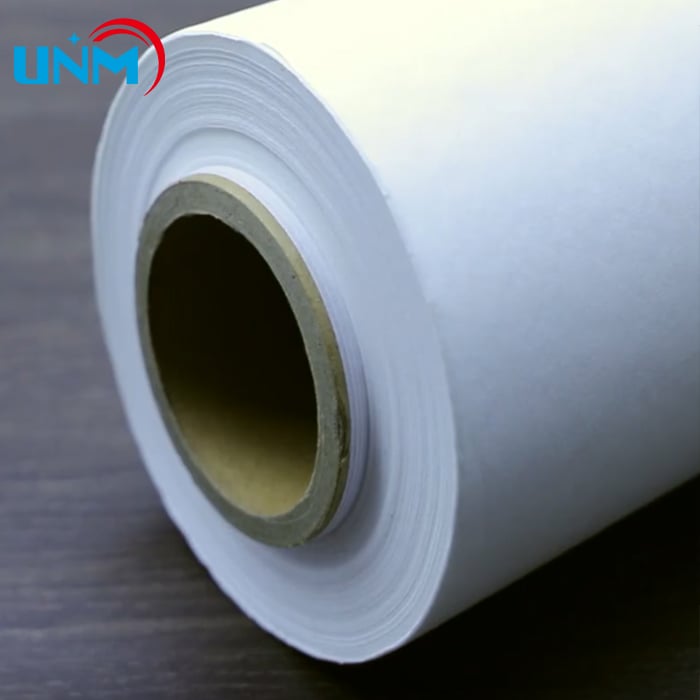
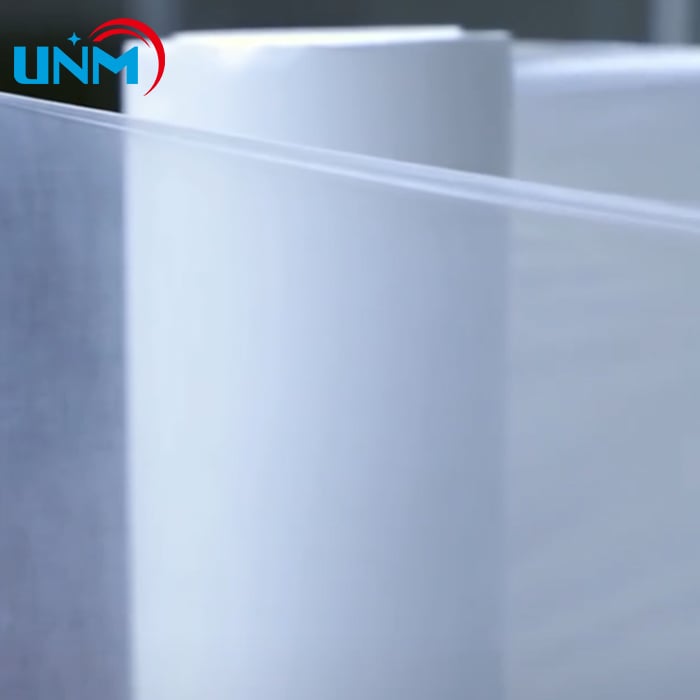
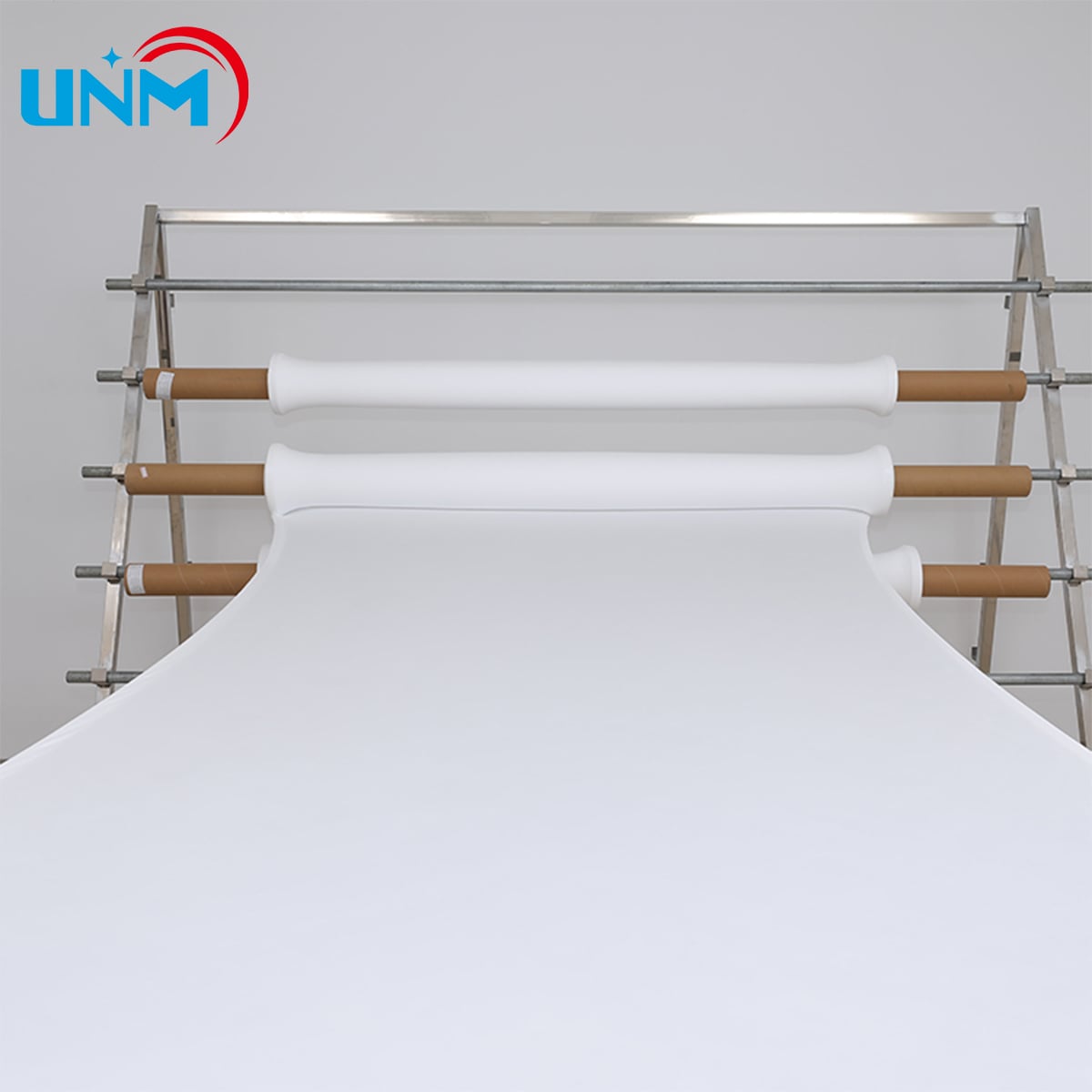
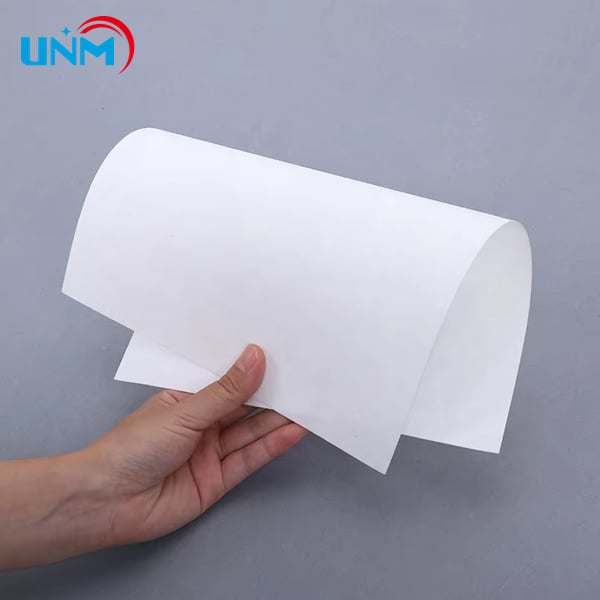
Being a special type of filter, EPTFE(Expanded Polytetrafluoroethylene) Liquid Filtration Membranes is highly efficient in the filtration and purification liquid mediums generated by chemicals industry to pharmaceuticals, food & beverages industries or even sewerage treatment. These are popular choice for their excellent performance, accuracy and durability.
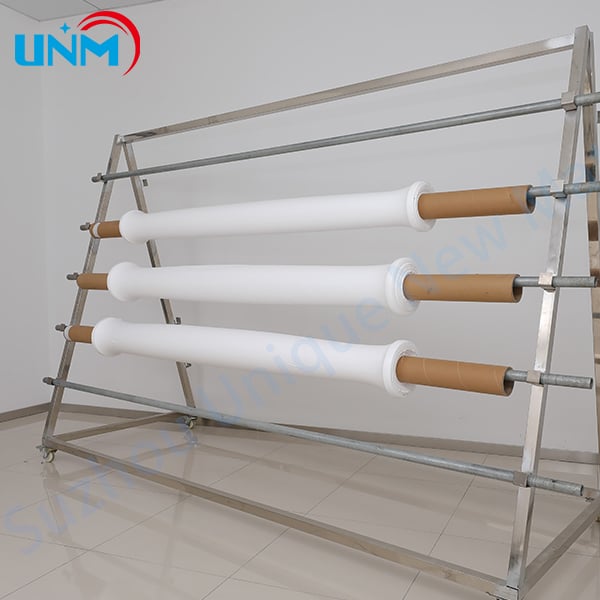
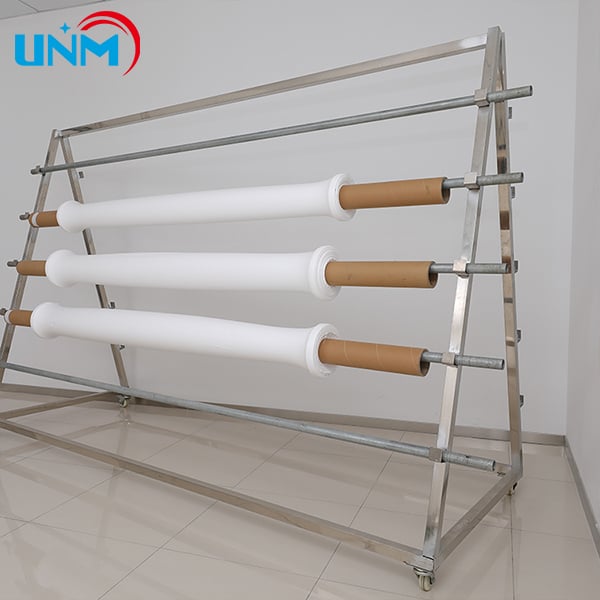
Manufacturing of high-performance EPTFE liquid filtration membranes is a sophisticated process, which includes strong expertise in selecting the right materials and production methods on all levels from planning through testing. One of the most important parts to create high quality EPTFE liquid filtration membranes is ePTFE membrane casting. This method includes coating a substrate (usually woven or non-woven fabric) with a thin layer of polytetrafluoroethylene (PTFE), which is applied through cast.
For a wide range of industrial applications, from chemical processing and pharmaceuticals to food & beverage and wastewater treatment requiring stringent filtration needs, the attributes of EPTFE liquid filtration membranes provide consistency at optimal performance. The market is foreseen to progress at a set pace over the coming years against an expanding backdrop of high-performance filtration technologies demanded in multiple industries. Manufacturers need to concentrate towards enhancing the performance, reliability and efficiency of these membranes in response to improve requirement from their global clientele that tenders for research & development activities.
Pore Size Distribution: Pore size distribution in EPTFE liquid filtration membranes is responsible for the separation and flow rate capability (performance) of them. Membranes with small pore size distributions can achieve low corruption but could also have less flow rates; membranes having bigger as well wider distribution of pores offer smartly elevated high-flux funds, however at the forfeiture from purity.
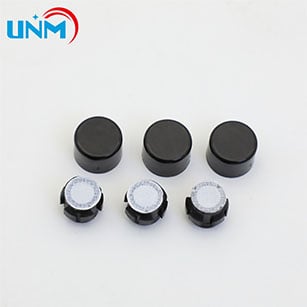
Membrane Thickness: EPTFE liquid filtration membrane thickness directly affects its mechanical strength, life and flow rate. Thinner membranes provide higher flow rate and potentially sacrificing mechanical strength, whereas thicker ones its counter part in which would offer better mechanical properties but with lower chances against less resistance.
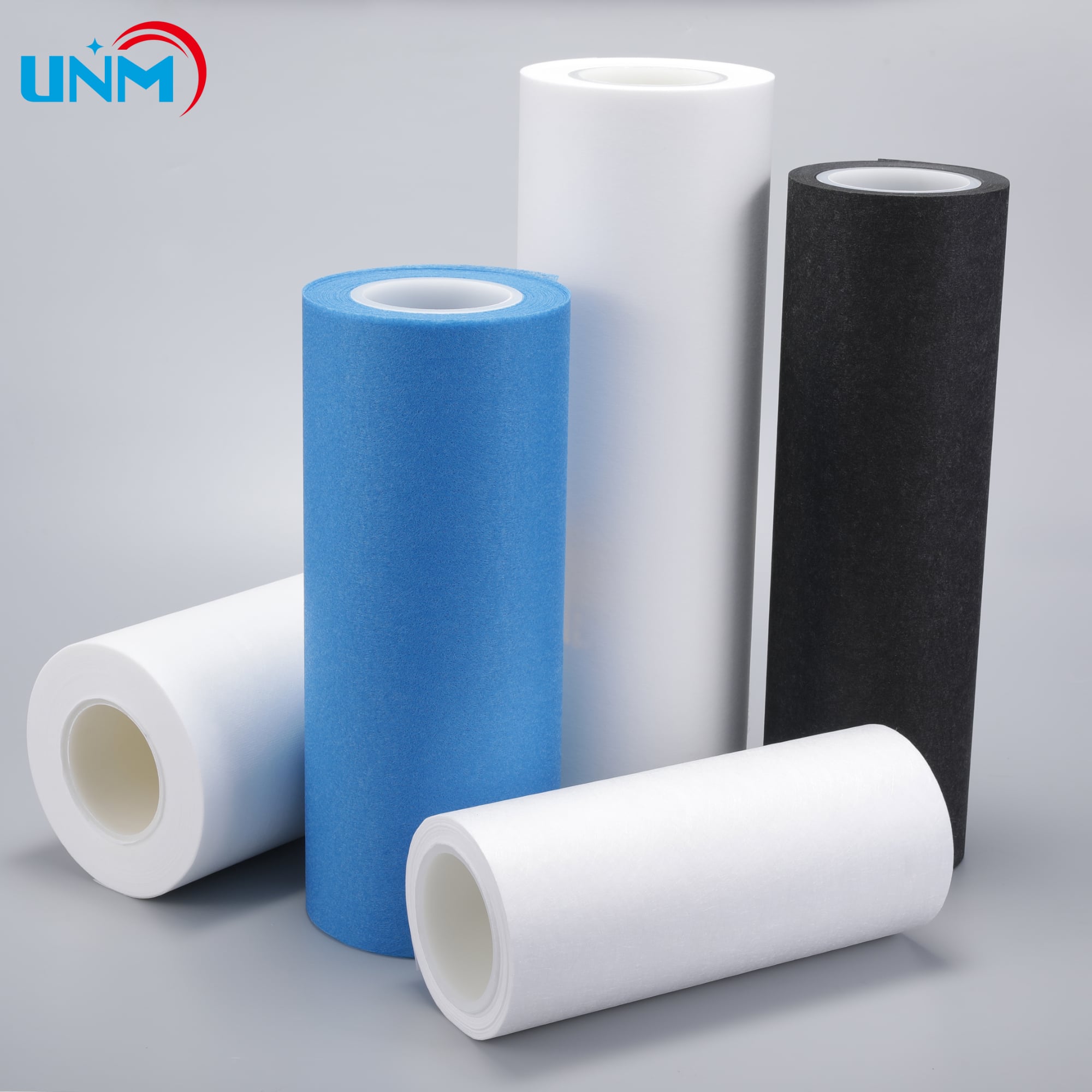
Surface Charge: Surface charge and other surface properties, including the hydrophobicity and roughness of EPTFE liquid filtration membranes all can affect their performance in filtering. Contaminants are repelled away from a porous high surface charged/hydrophobic membrane and therefore help in better filtration quality.
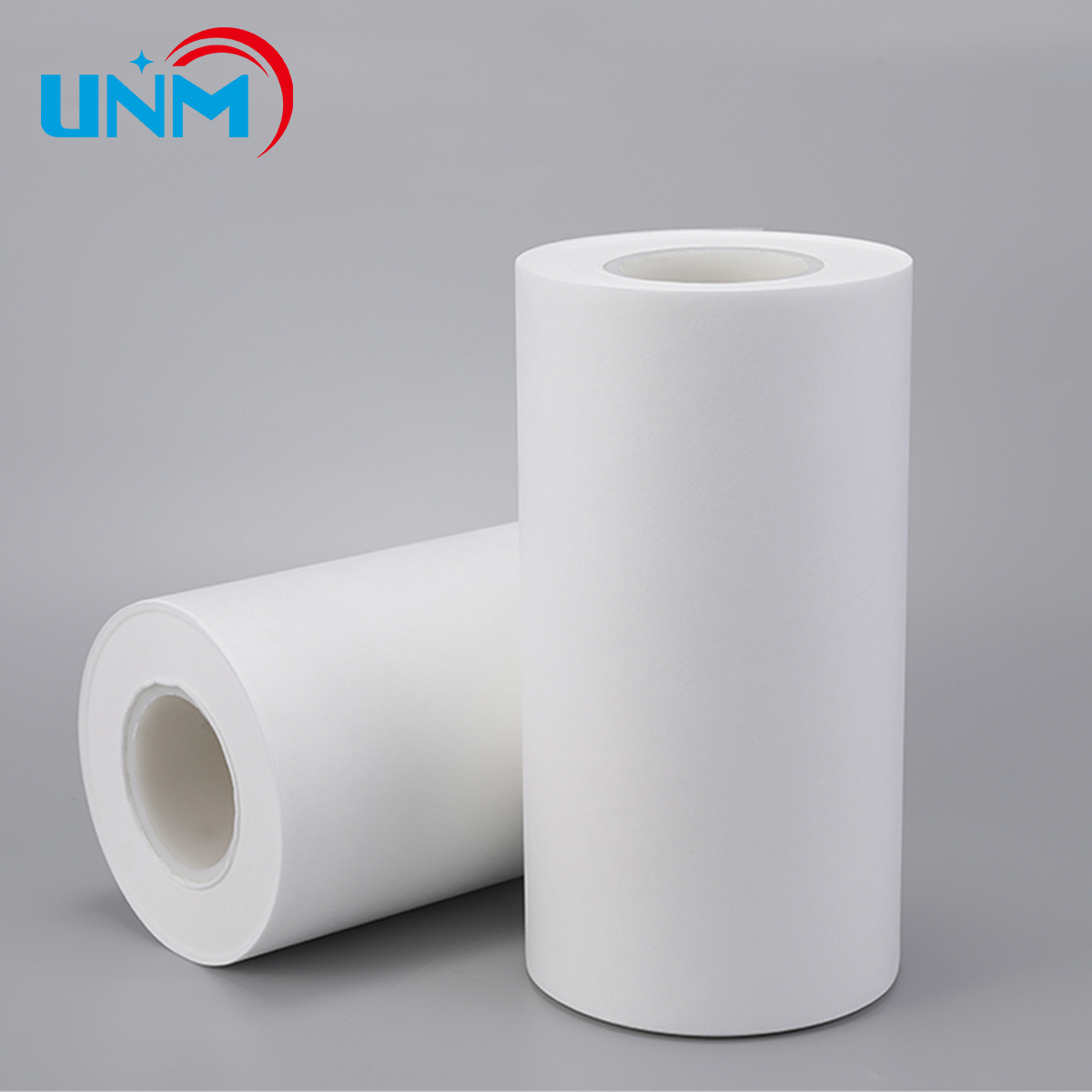
Therefore, this category of EPTFE liquid filtration membranes are produced under meticulous control such as raw materials selection and preparation, manufacturing process to final testing processes. These membranes have many benefits over conventional filtration technologies and are perfect for multiple industrial uses. Manufacturers should invest in research and development projects to innovate EPTFE liquid filtration membranes, making them more suitable for emerging demands from customers around the globe.
 EN
EN
 AR
AR
 BG
BG
 HR
HR
 CS
CS
 DA
DA
 NL
NL
 FI
FI
 FR
FR
 DE
DE
 EL
EL
 HI
HI
 IT
IT
 JA
JA
 KO
KO
 NO
NO
 PL
PL
 PT
PT
 RO
RO
 RU
RU
 ES
ES
 SV
SV
 TL
TL
 ID
ID
 LV
LV
 SR
SR
 SK
SK
 SL
SL
 UK
UK
 VI
VI
 SQ
SQ
 HU
HU
 TH
TH
 TR
TR
 AF
AF
 MS
MS
 GA
GA
 CY
CY
 BE
BE
 LA
LA